Alaska

“Man did not weave the web of life; he is merely a strand in it. Whatever he does to the web he does to himself.”

Chief Seattle

My sister has not been to visit us since about 2021, although we have seen each other, numerous times during that time . This year they decided to come visit in Alaska. Yeah! Exciting! Hence we feel the need to show them Alaska, although they have been here several times.

For the first couple days just sit back and relax, just enjoying the company of each other. Somehow over time I have lost the urge to constantly be going going going. I gave up lists of things I want to do because the list never gets shorter. Each item checked off seems to add a minimum of two more items. And as the Spanish proverb says “there is nothing better than doing nothing, then nap after”. Fear of missing out (FOMO) does not apply. Just enjoy the company.

But that does last only so long, one must move about and explore. Hence we are in McCarthy Alaska. Drove here yesterday, a 310 mile (500 k) drive. 8 hours, with the last 60 miles (100 k) gravel. Always a question when last graded as the washboard can be extreme and 10 mph max. They had just graded the road a week or two ago which also means freshly cut gravel, which one piece managed to pierce our tire. Crazy that modern cars have either no spare or a “donut” tire. Ours has a donut but our history with either is tenuous.

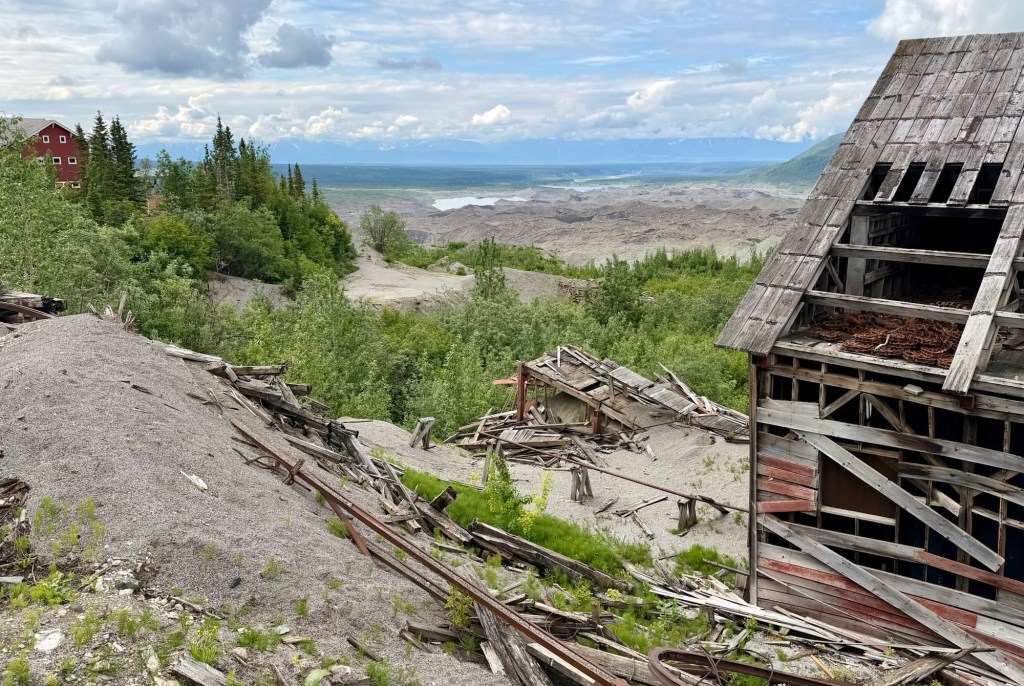
Ok what a day. Took the shuttle van the 5 miles ( 8 k) up to town of Kennicott . This is the area of kennicot mine and was one of the largest copper mines in the world and the where the start of the Kennicott company began. Currently the area is within the Wrangell St Elias National Park and the mine area administered by the park service.

Jeanne first visited McCarthy in 1982 the first year she was here. I first visited probably about 1989. We have had a few visits since, always memorable. My friend Zak and I did an awesome hike in the backcountry in about 2018 or 2019 (goat trail). Jeanne and I coming here during covid time. Both trips involved spectacular back country mountain flying. The Wrangell mountains not only have some of the biggest mountains in North America but are spectacular and remote.

In December of 1983 Jeanne was working triage in the emergency room at night in Anchorage. A fellow came in with belly pain , having hitchhiked the 300 miles from McCarthy in December. It was a quiet night so she spent hours talking with him about life in remote alaska. 3 months later he was 1 of 6 people who survived a mass shooting. Just happenstance they had dropped their mail with a friend to send on the mail plane coming in on the once a week mail delivery. Someone else was also waiting and shot 8 people, of which only 2 survived, as they were to meet the weekly mail plane. 5 other people were gone on various trips and did not meet the mail plane. That was the entire winter population of McCarthy in 1983.
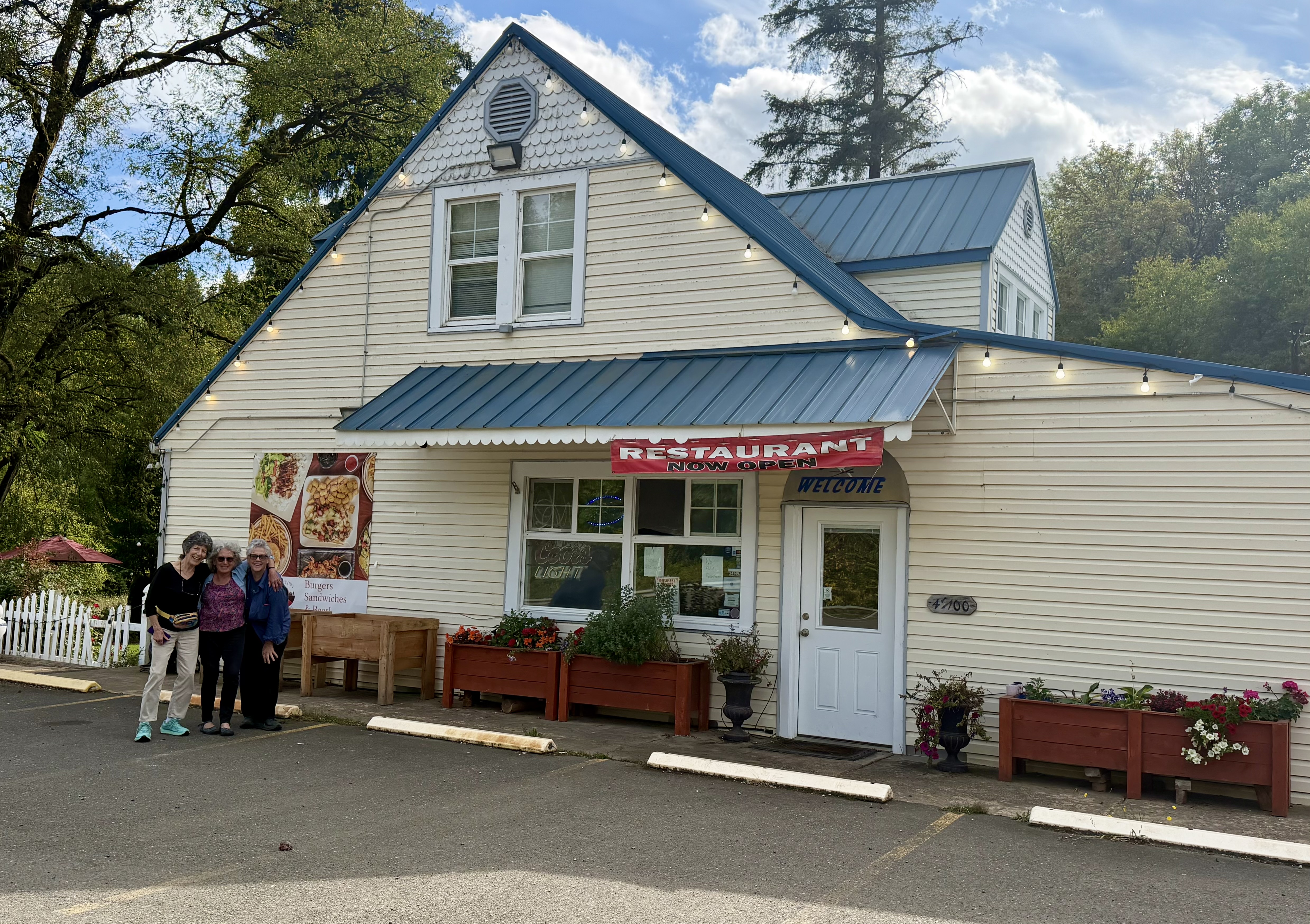
Ok back to today and we were talking with a seasonal park employee and Jeanne asked about a fellow she once knew who had survived the shootings. Turns out he owns one of 2 restaurants here. Tonite we had dinner with him. Small world. We have travelled in different worlds and circles, but been within convergences numerous times. He knows our friend Geoff in Utqiagvik having dog sledded across the top of North America. One never knows where one’s path will lie.
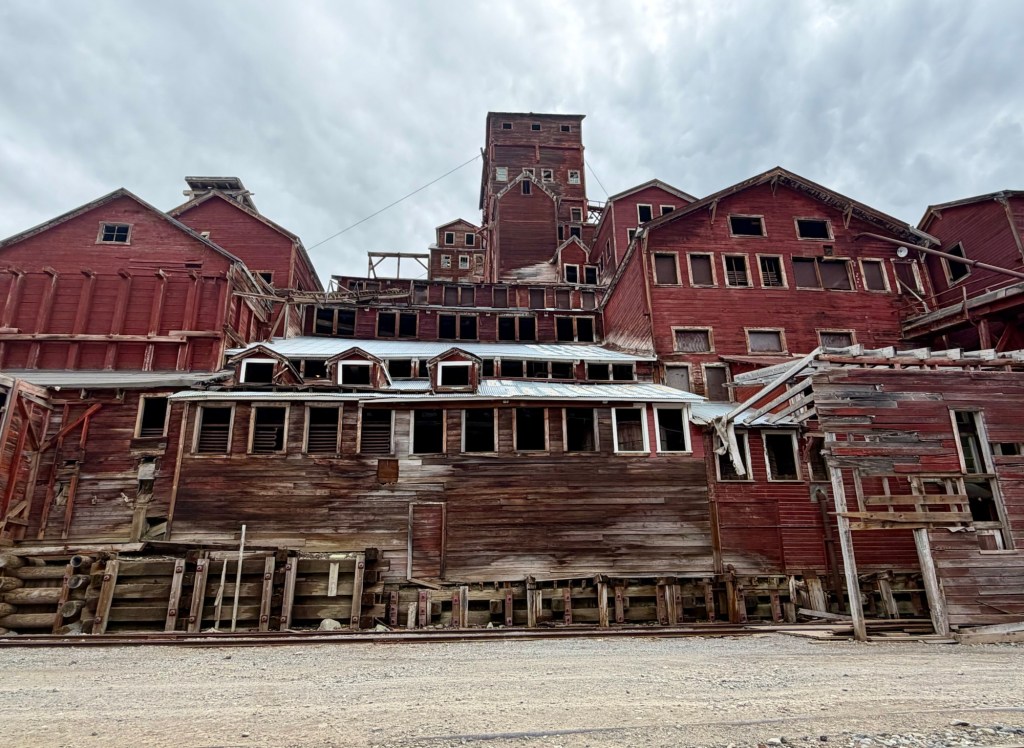
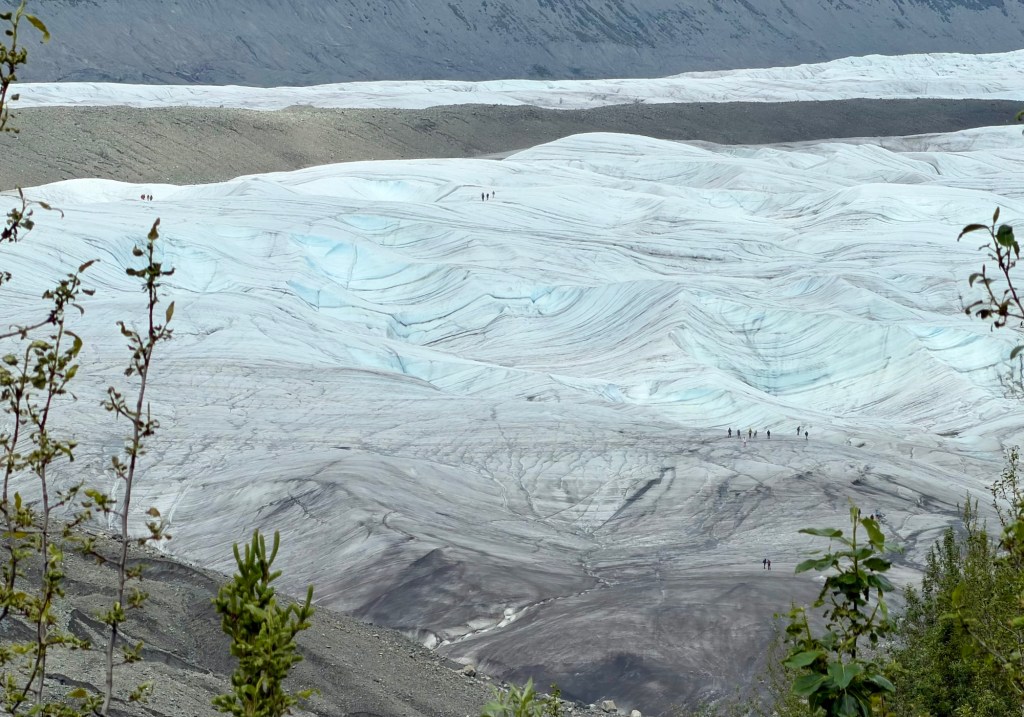
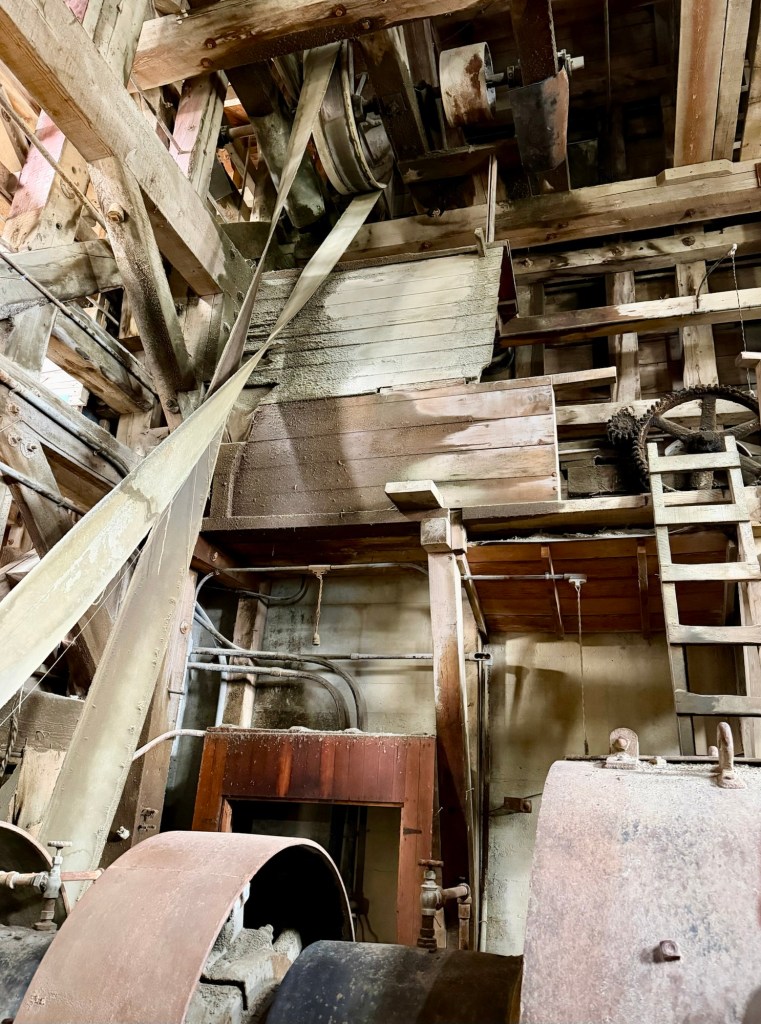
But back to today and the visit to Kennicott. Did a delightful hike to an overview of the root glacier. Then signed up for a Tour of the mill. The park service has gone in and partially restored the 100 year old 14 story wood building where the mine brought the ore from the hills above. Jeanne and I had in years past, before the park service, gone into the delapidated and falling apart building exploring, which was fascinating but we had no explanations of the processes of refining the ore for transport via train the 167 miles to Cordova on the coast where it was transported to Tacoma Washington for final refining.

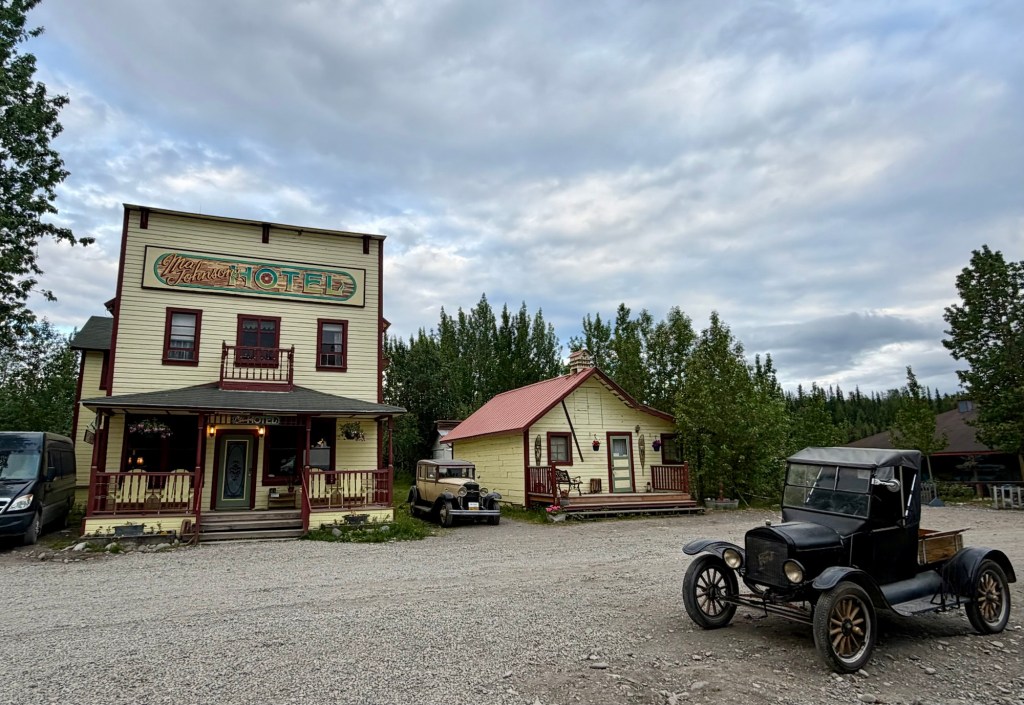
MaJohnson hotel

The mine was discovered in basically 1901 and a railroad took 6 years to build. The land rights, as they were, were made and the mine began operation in 1911. In 1938 the sudden decision was made to close and with literally within hours the last train left and Kennicott became a ghost town. It was again “discovered” in the 1950’s and in about 1988 National Geographic did a story about the town.

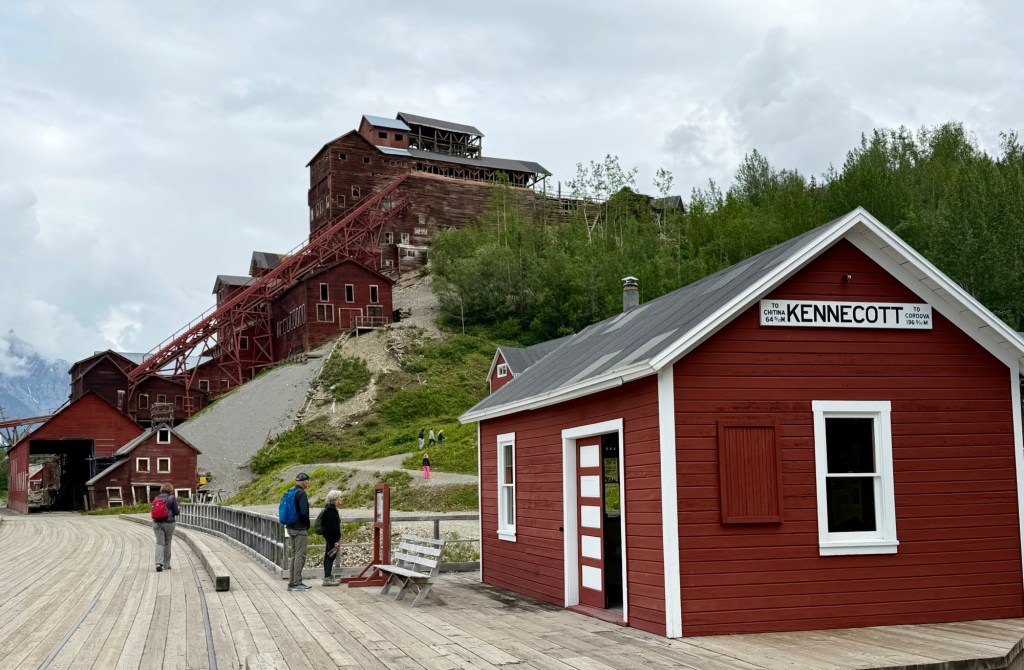
Kennicott rail depot with copper refining mill behind
Down glacier view from Kennicott
Below the refining mill
Root glacier terminus
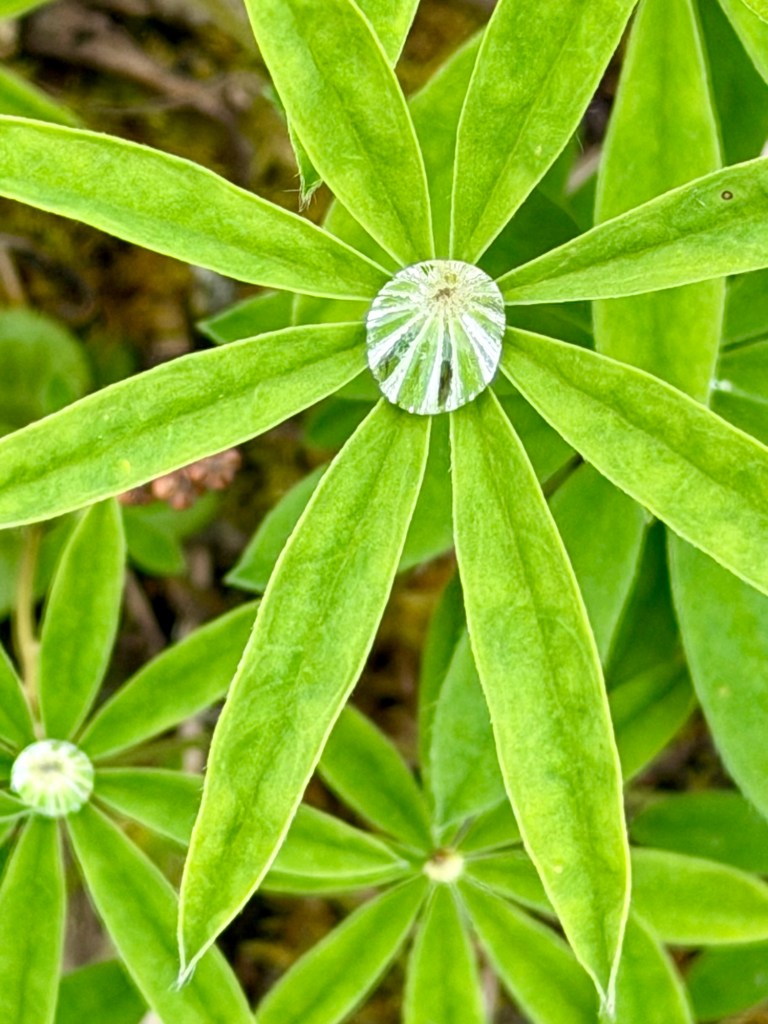
Lupine with water drop

We learned much of the history of the mine today from our tour guide. The park service has gone into the mill and created a “safe” walkway down the 14 story refining mill and our guide gave a wondrous dissertation of the refining process and history.

Refinery mill internals

After the dinner and during the walkabout town (5 minutes max end to end) we discovered our tire had been repaired (for a minor fortune) but recommend it serve as only an emergency for the emergency donut tire. We are in a bind. More to come!

Ok onward no reception, or very spotty. Yesterday we arose early expecting to take a long time on the drive to Glenallen. Somehow we managed to get a friend to go to our house and pull out the stored 4 stored winter tires, get them to the only shuttle bus from Anchorage to McCarthy, by 7:45 am. They would drop the tires off at the only tire auto shop in Glenallen, who we had not yet been able to contact. After 9 am we were able to contact them once we had cell service.

Again, cell service is very dicey. Turns out ATT does not cover the area of McCarthy hence we were using Verizon of my sister’s mobile phone. Big business kindergartners cannot learn to share. Irritating! and very little reception along the road back to Chitina.

We shuttled and hiked our bags to where car parked. (Road stops about a kilometer before town due to Kennicott River. Formerly, there was a hand tram for crossing but now a pedestrian bridge. Arrived at car and as the tire repair fellow said tire was repaired, but appeared even with repair to have a bit of a bubble. It looked as an emergency tire to the emergency donut tire. Had placed the donut on the rear in case of a blow out, and we began, the 59 miles (99k) of gravel road to chitina and the 70 miles( 115k) to Glenallen and the tire repair place. We did it in 6 hours due to did not want to speed on the donut tire which is rated for a max of 50 miles (80 k). But we did it.

Arrived at 2 pm and proceeded to wait until they could fit us in. Tires arrived from Anchorage a few minutes after we did, so all good. At 5 pm tires repaired, threw the bad tire away (after spending $325 to repair it to emergency standard). The tire shop said we could leave the 3 good tires out front to be picked up by friends, Zak and Natasha, who would be returning from a trip to Valdez in a few days. Placing three tires in our car would have cramped our driving quarters. The mechanic said the bad tire had an excellent repair but would not have lasted. We were lucky.

On to Valdez via beautiful Thompson pass. I believe someone spilled the green pigment and all the plants were in glory.

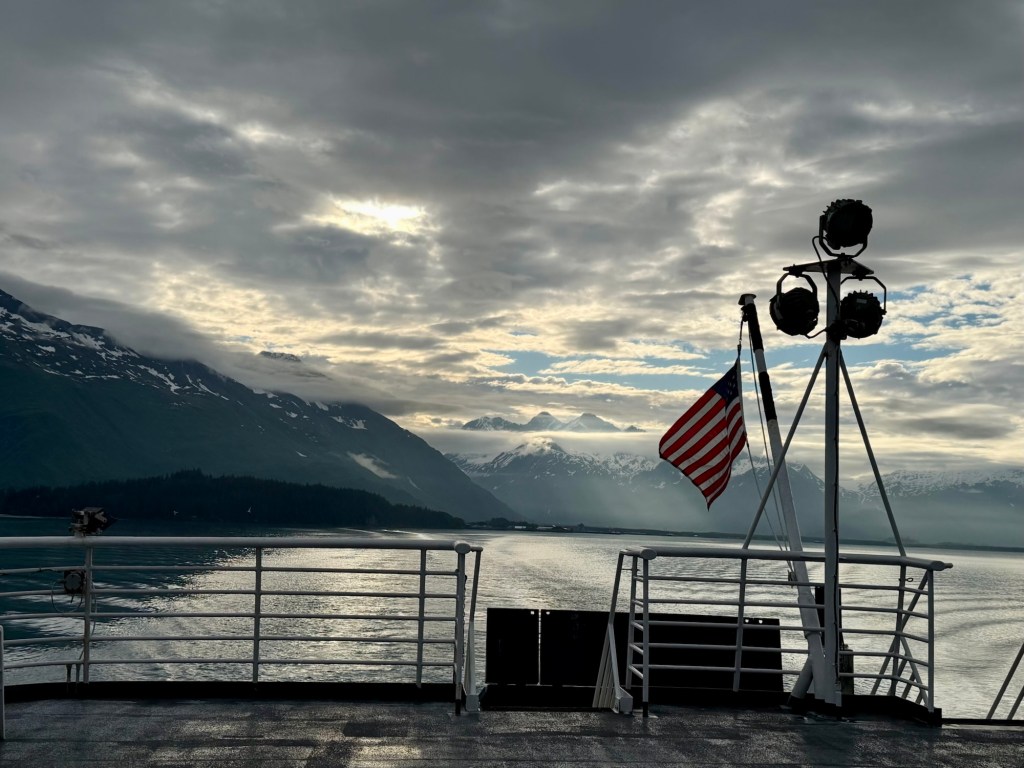
Arrive Valdez at 8. Zak and Natasha met us after a day of climbing and utilized the shower in our motel room, dinner, sleep and up early to catch ferry to Whittier at 5:30 am.

Departing Valdez
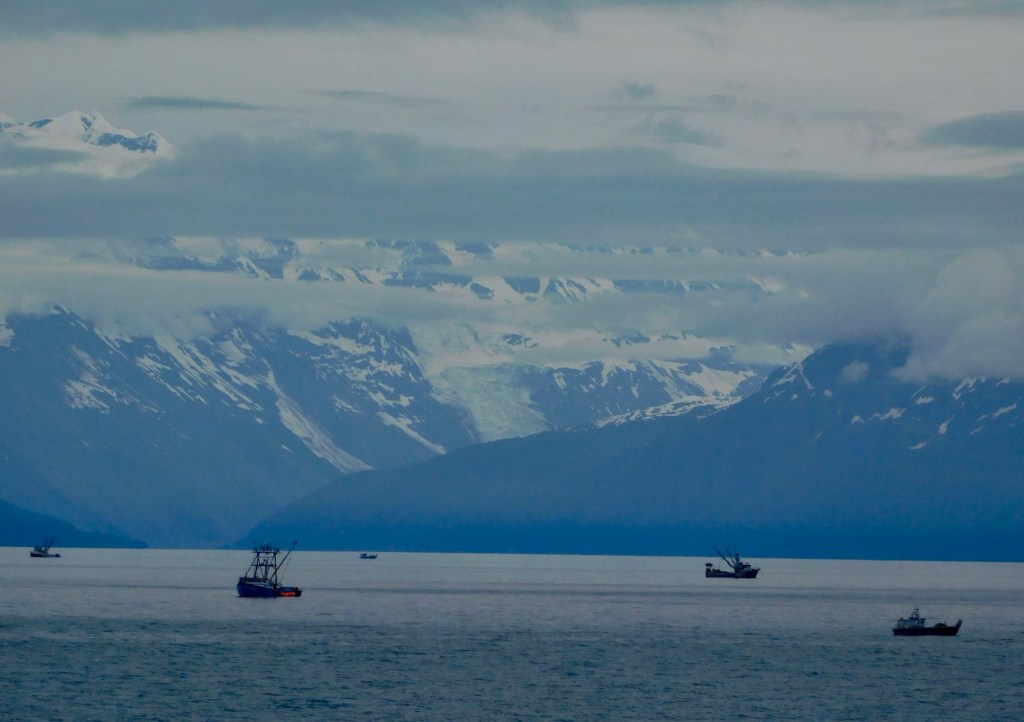
Port wells in prince william sound
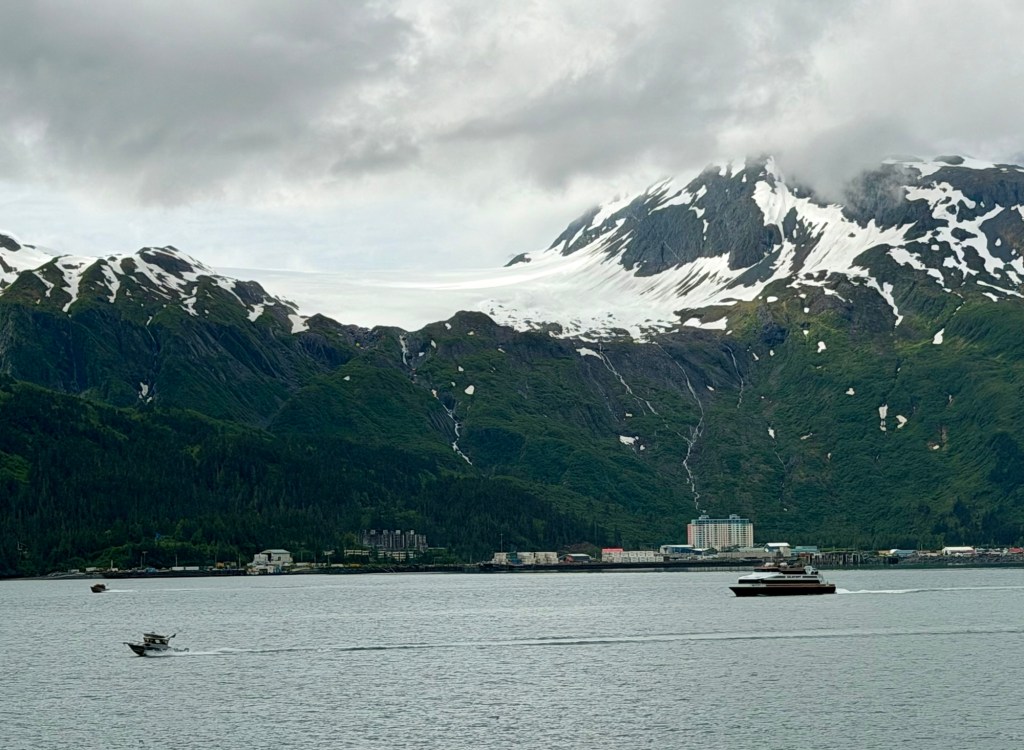
Whittier alaska

Thoughts on trains

The Beauty of life is to be outside the box, so that the box doesn’t exist…. to limit a human being to one mode of expression is really a crime.

Herbie Hancock

It’s been almost three weeks since we got back from our trip, and I still have a lot of questions.

1: Would I do it again?

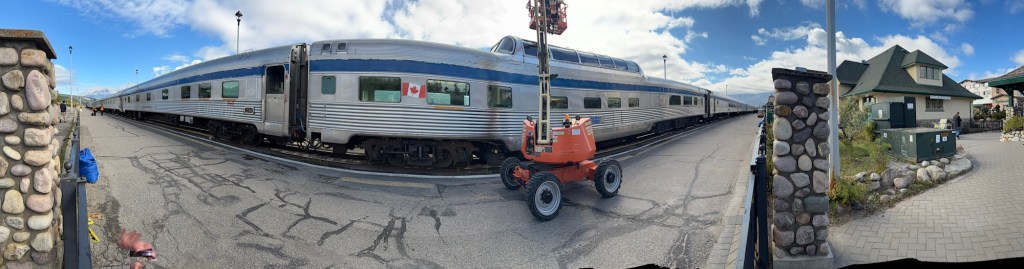
I highly recommend taking the train, but maybe not for an extended trip like we did. Jeanne mentioned that the trip started to feel a bit monotonous, day after day, not really exploring but just taking short breaks. But we also realized that the purpose wasn’t necessarily to visit specific places and focus on them, but rather to circumnavigate and see the entire country, not just a portion. Where does that stop and start? Why just the United States? Well, there are so many amazing places to explore!

I’d still highly recommend taking the train if you have the time. When you’re in a hurry, it’s easy to miss out on all the cool stuff along the way. For example, driving from Alaska to the lower 48 states takes at least 3 days, and it’s even better if you take your time and enjoy the scenery. But when you fly, you miss out on all the amazing sights and experiences. It still remains the most memorable train ride experience, of my life, was the Australian train the Indian-Pacific. We woke crossing the Nullarbor desert, at sunrise watching the red kangaroos race the train. One does not see that from an airplane.

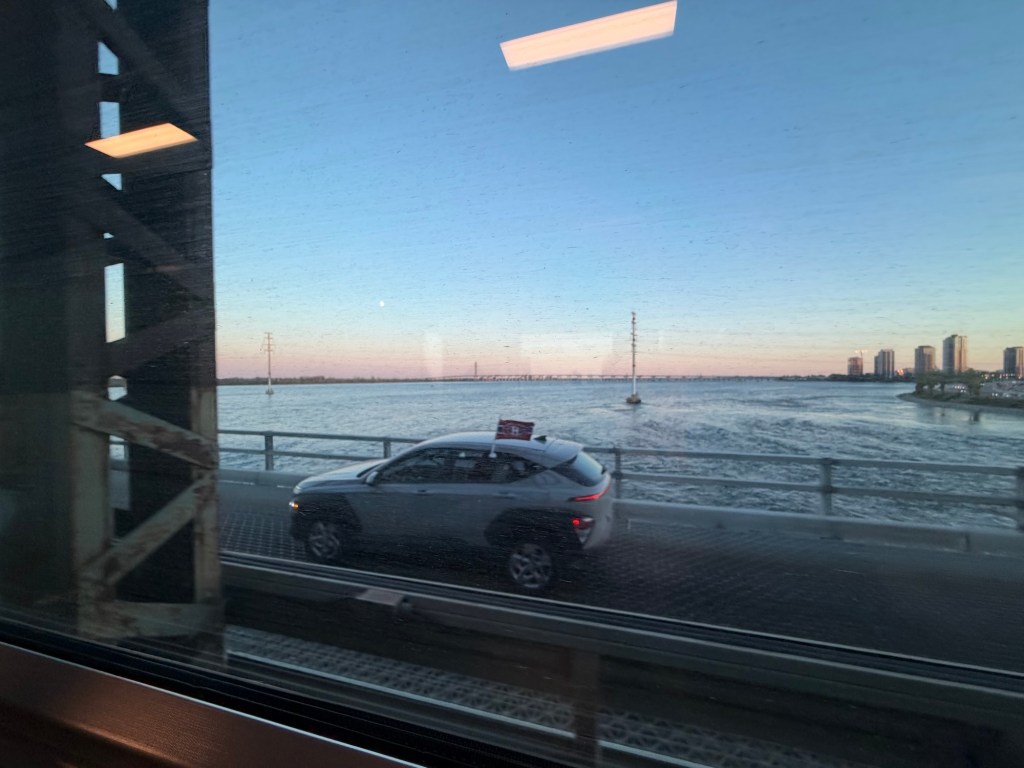
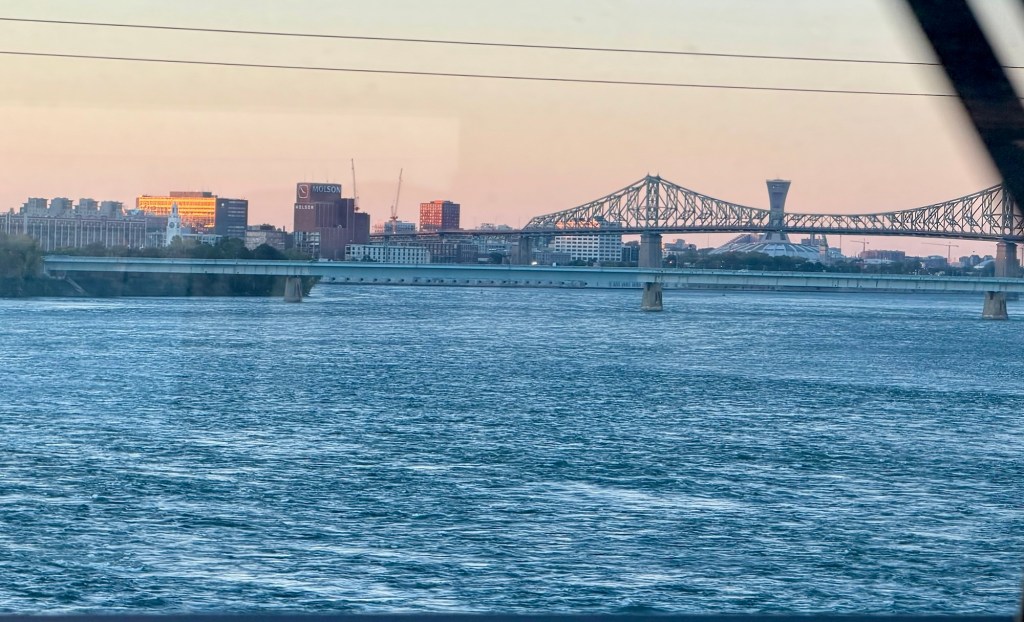
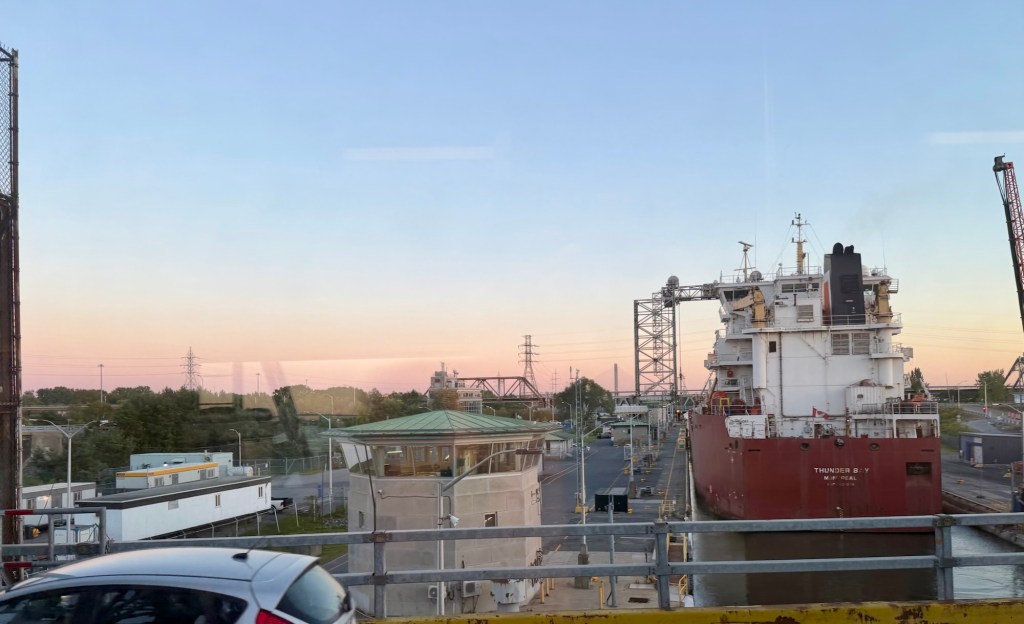
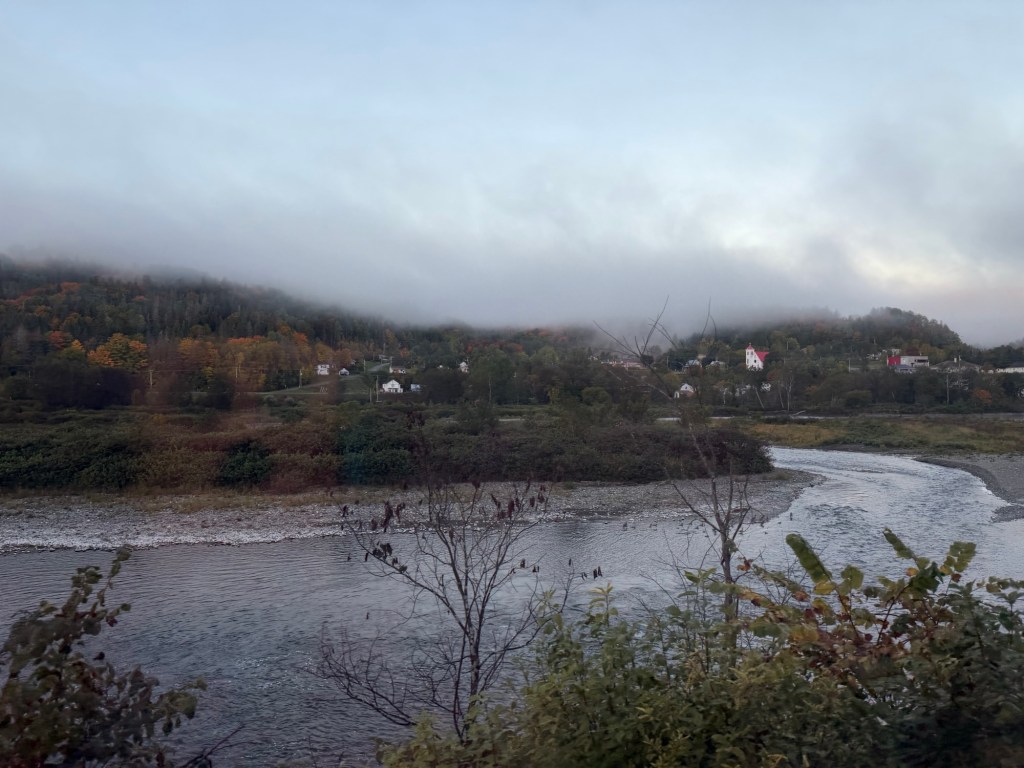
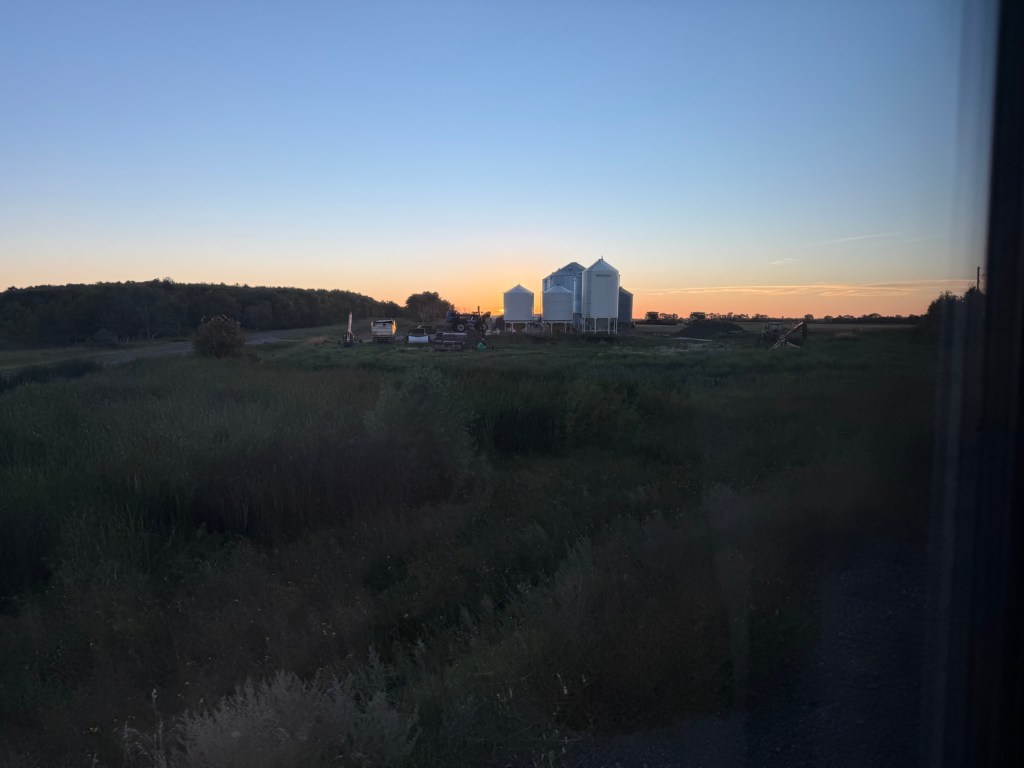
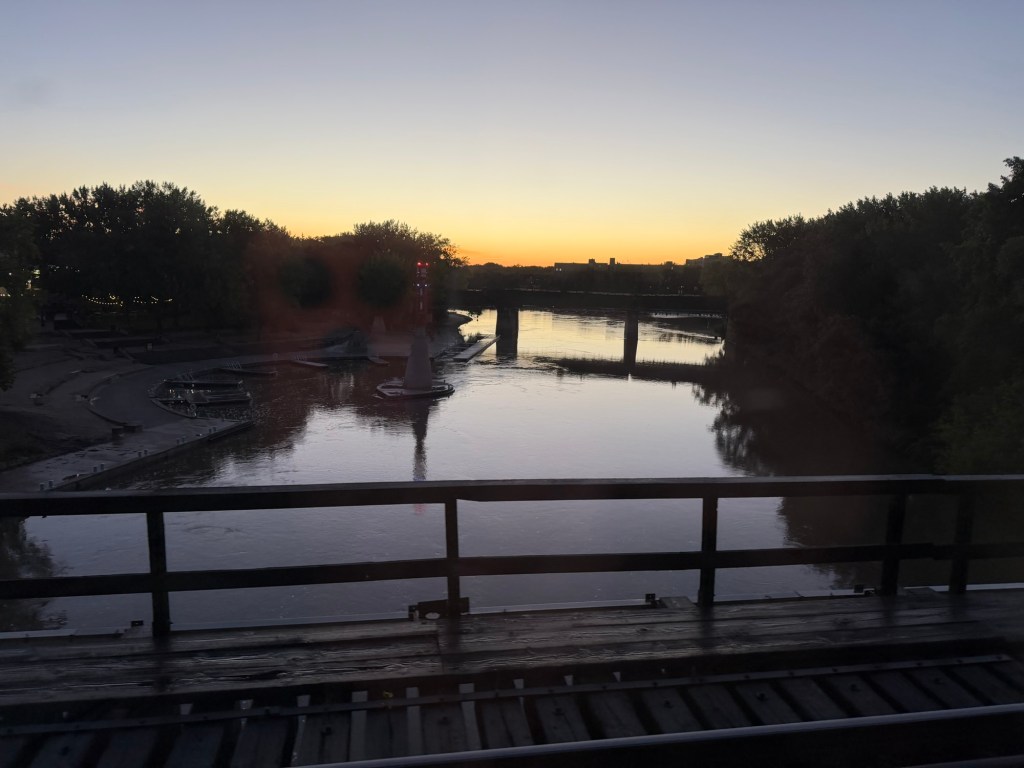
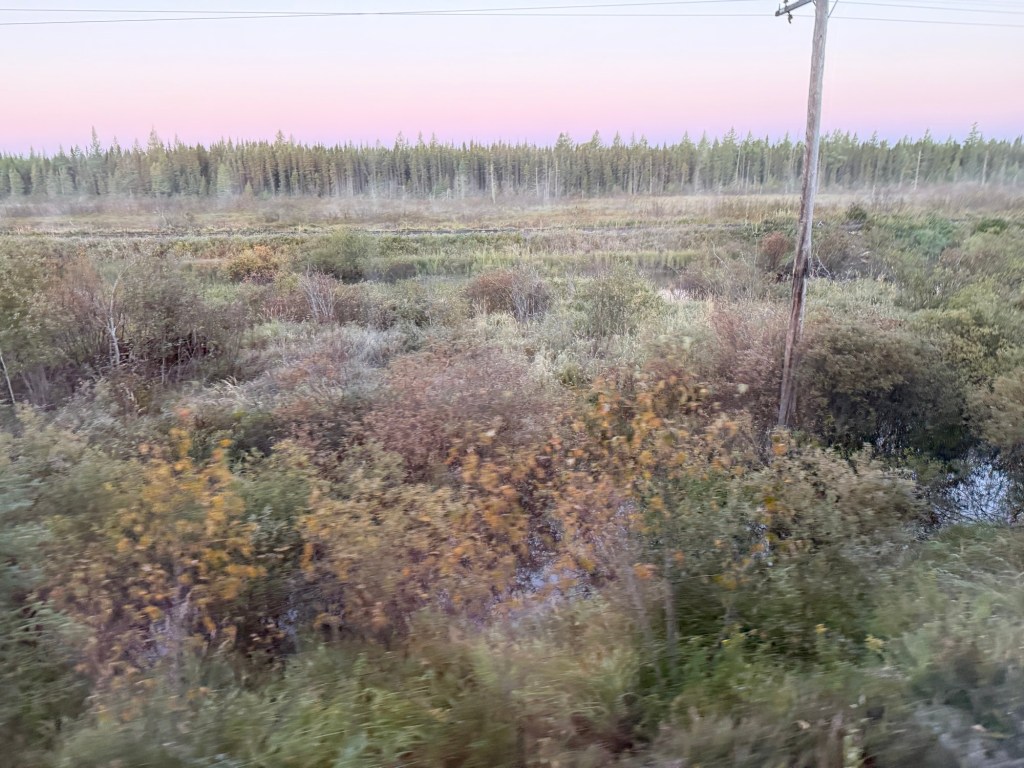
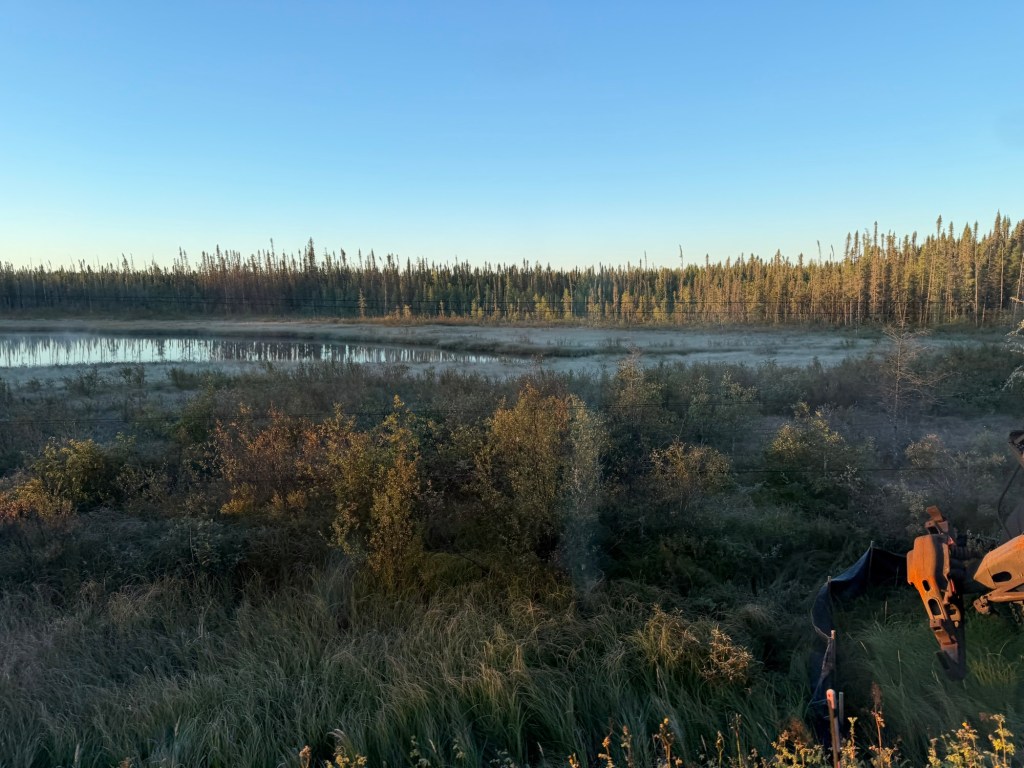
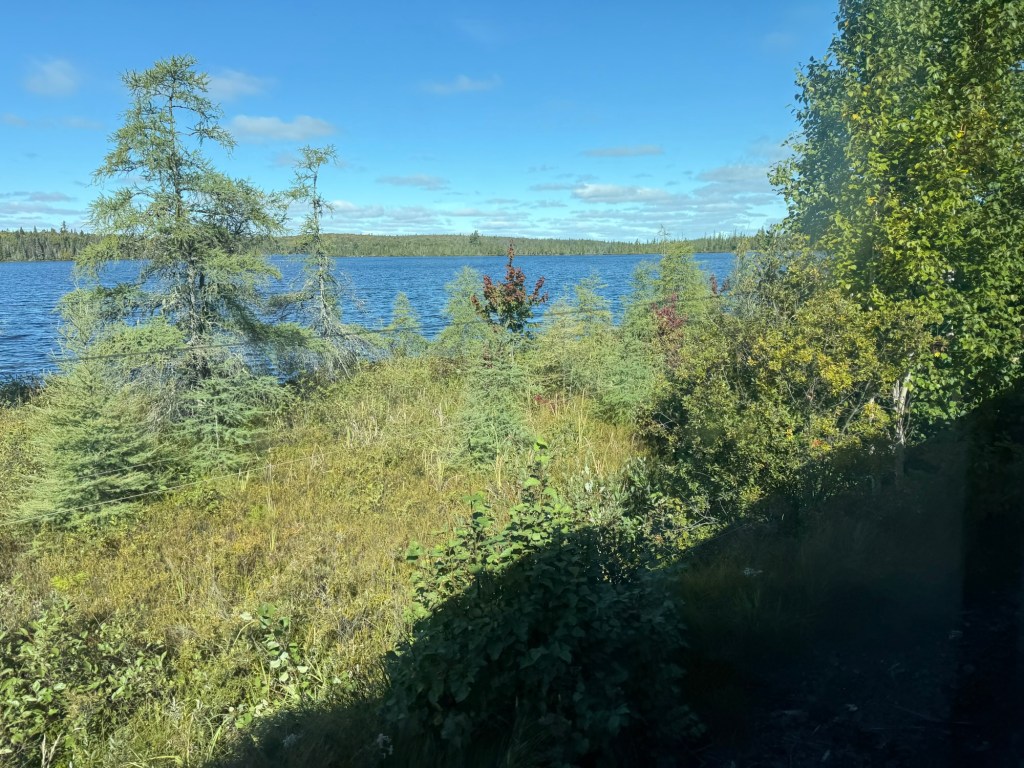
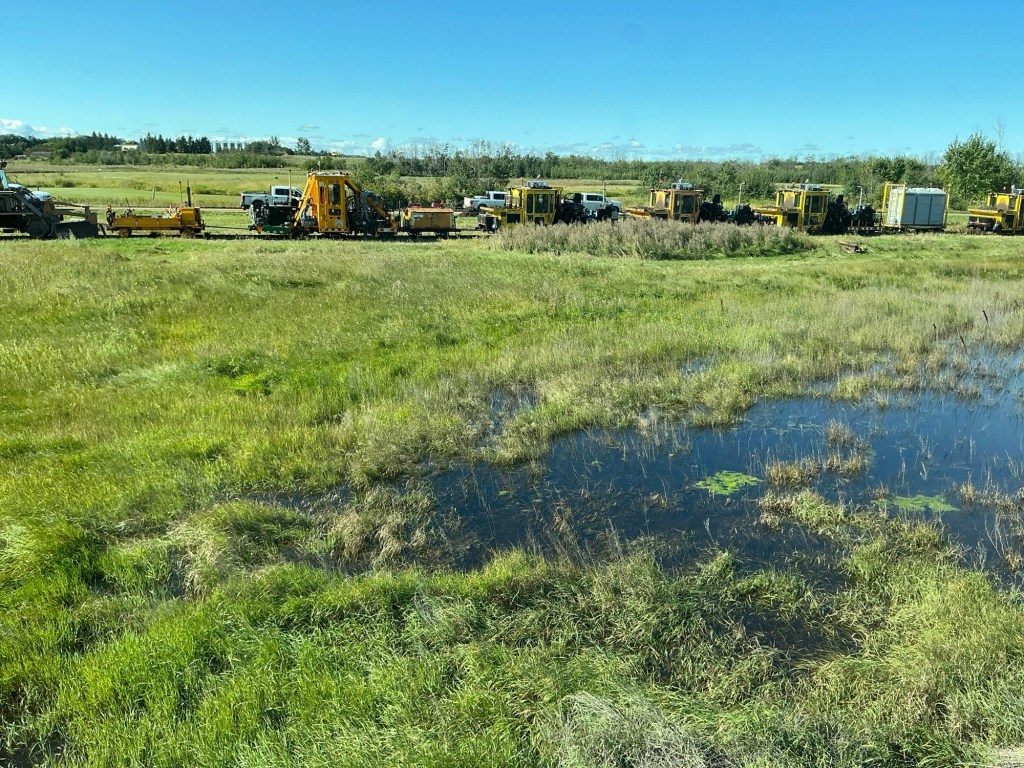
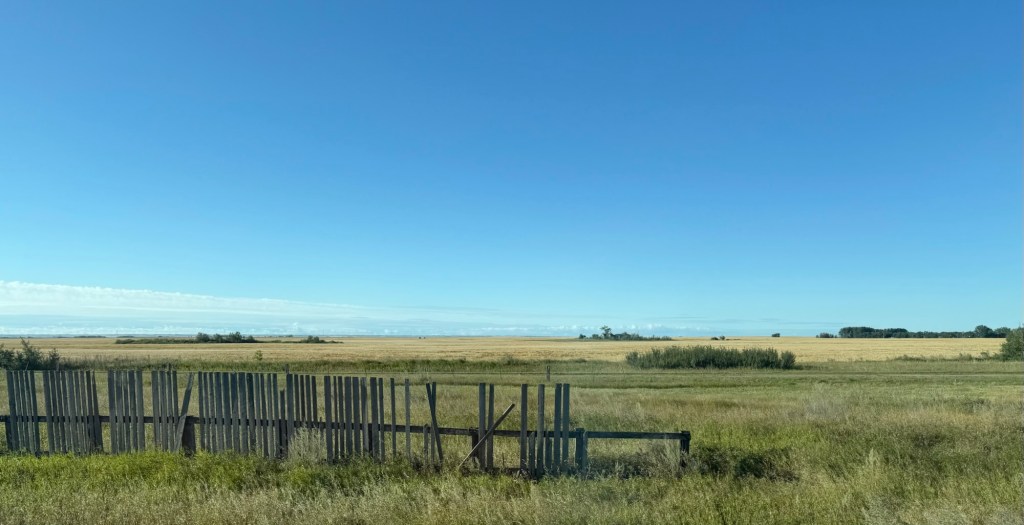
Seeing the country was absolutely stunning. Cruising along at often 80mph (125 kph) gave you vistas, forests, lakes, rivers, industrial areas, backyards, cityscapes not necessarily seen from cars or airplanes. We definitely enjoyed viewing the various agricultural bounty as we traversed the country. Seemingly never-ending fields of wheat, corn, soybeans, potatoes, sugarcane, cotton, pecan trees, and unknown green stuff. Human industry at its best.

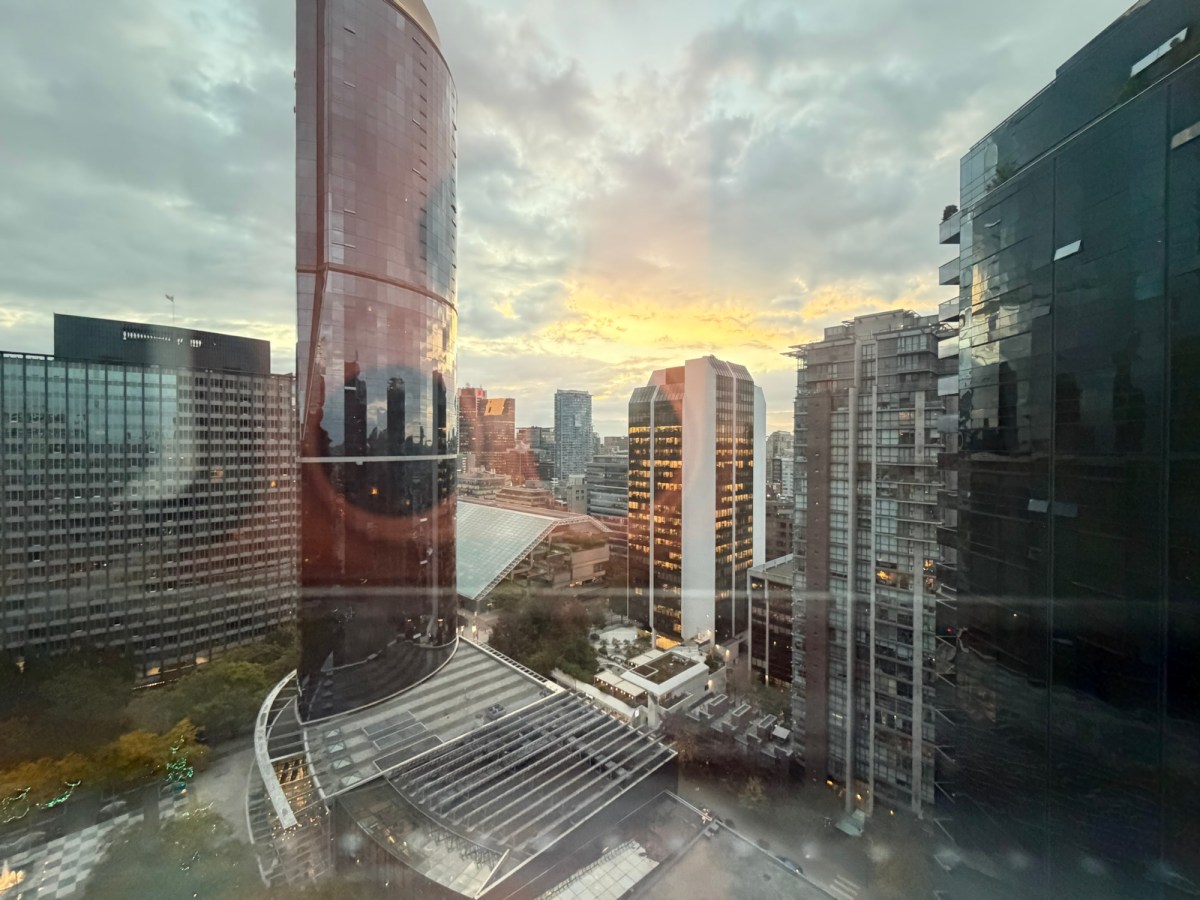
Cruising through the towns, villages, and cities gave a perspective unlike driving in a car. Where people live is interesting, how a town is laid out, why the houses are built like that, what activities do the people partake in. All reasonably guessed at by seeing the layout and accommodations in the yards. In a car, you are paying attention to the road, what is happening in the car , and how long until you arrive. The railroad is the journey.

As for airplanes, I did have a friend describe an airliner as a time capsule. You walk in, sit down, tap your feet for a few hours, get out, and you are somewhere else entirely.

When we talked with others on the trains, we asked why the train and not flying. We expected a common answer would be afraid to fly. Not once did that come up, but usually the answer was much more relaxed by train. No hassles with airports, no lines, no standing or sitting around, no security fuss.

But trains are not problem-free. Being, shall we say, older, I do not sleep as well vertically as I used to. When I fly long haul, I seem to require stops along the way. Instead of just changing planes, I will stop for the night and stay in a close motel or hotel; otherwise, I arrive exhausted and lose days trying to catch up. Maybe I am spoiled, being retired, but that is my travel. Enjoy the journey and I find airplane travel not as fun as it used to be.

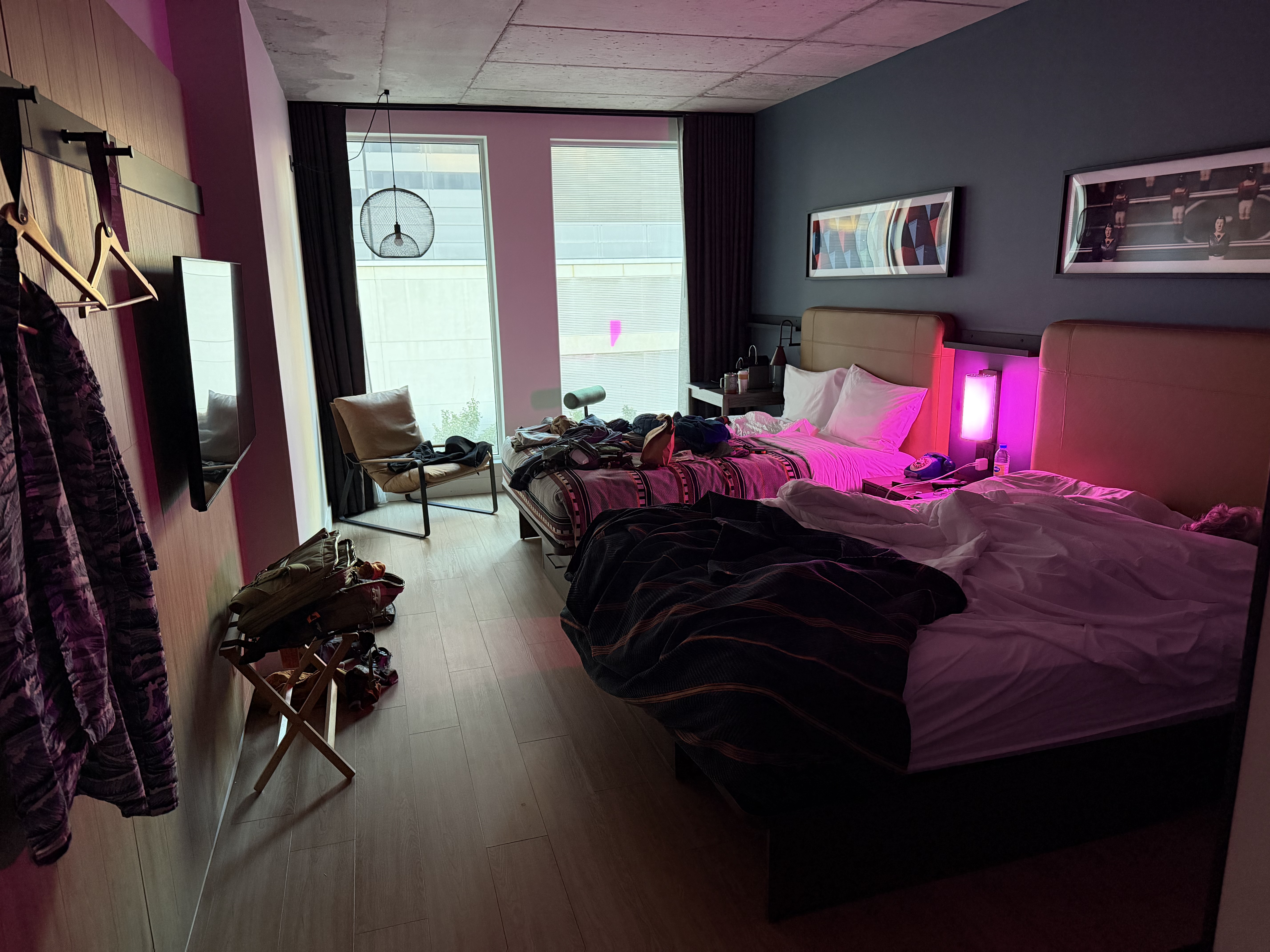
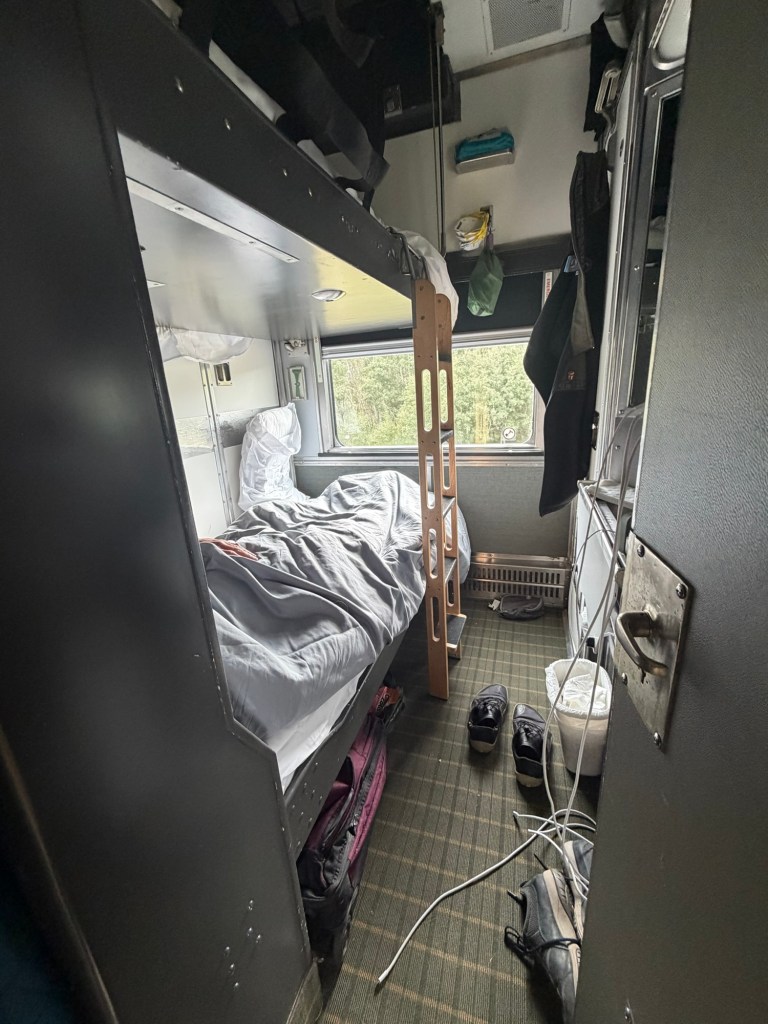
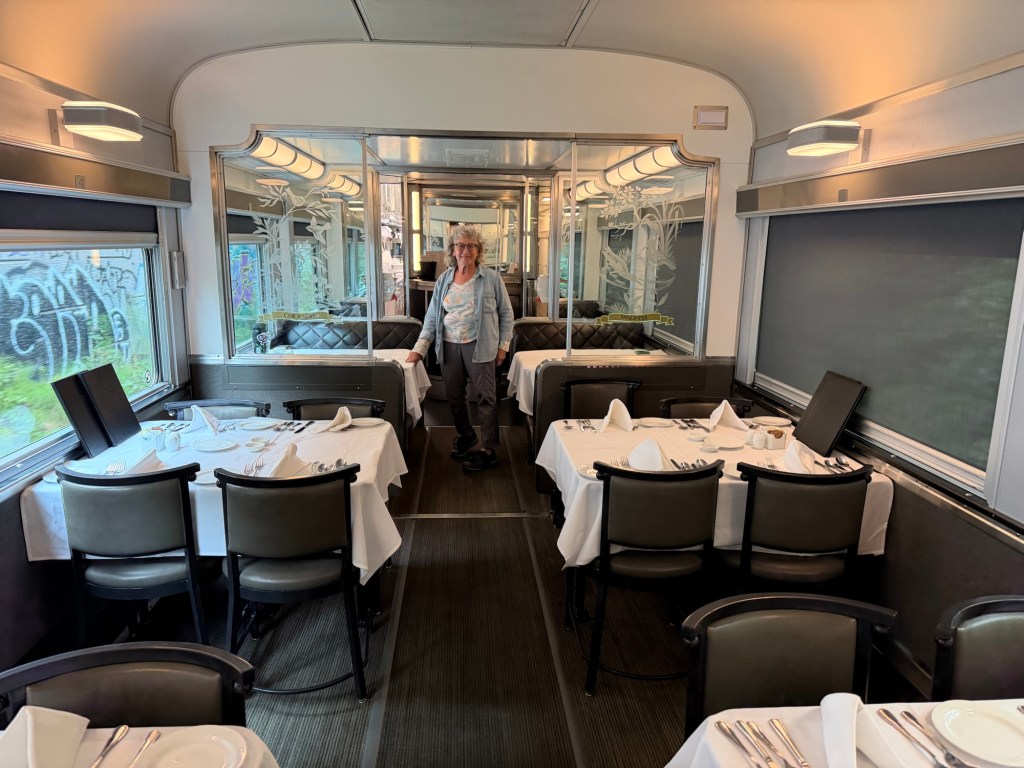
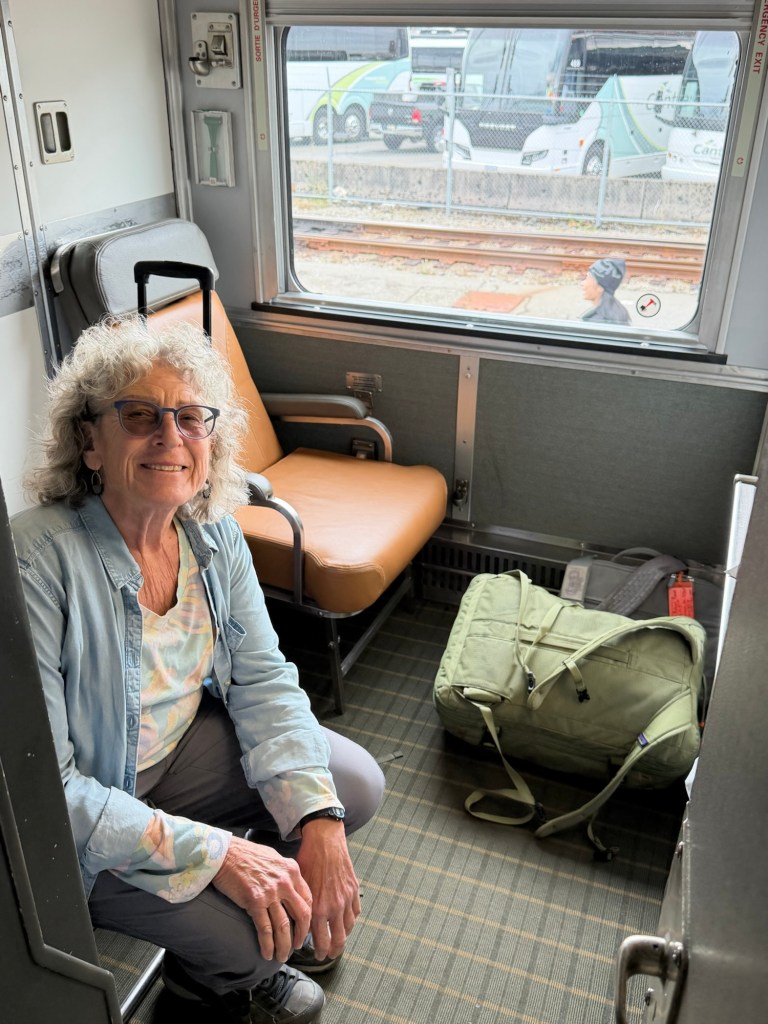
Hence, we got the sleeping car. Not knowing how it worked, we opted for the cheaper mode – a roomette. Turns out that is good for one, although there is an upper bunk. A bedroom with slightly more room would be better for 2. Then there is the family room, but that was way too much for us. We wanted to just sleep there, not live there. The cost of a sleeper is exorbitant.

And that was the major problem. Expense! This was a very expensive trip! It cost just over $10,000 ($6,500 for the train, rest in hotels in Chicago and New York). That makes no sense to me. I do not know where the money goes, but I find it hard to believe operating a train is more expensive than a plane. There are subsidies out there of which I am unaware. One gets the distinct feeling passenger trains are low on the totem pole. Texas has turned down a fast train from Houston to Dallas numerous times, not believing in mass transit.

2: What did I learn?

A: In the United States, capitalism is the economy. OK, that makes sense, but making money has become the end-all. Years ago, Jeanne and I did a 4-month kayak trip and learned some towns definitely wanted your money, but sometimes forgot to give something in return. Oops, forgot! We remember some places for their ability to extract money and not for the memories of the town. Much the same now, but “they have gotten better and trickier at ability too extract money.

Our first experience with the train was the website. We were curious as to the cost, but could not find prices. Turns out the train is like airlines: they use demand pricing. You can’t get a price until you are ready to book. Earlier is better. Two couples we talked to paid $400 different for exactly the same thing but booked 10 minutes apart.

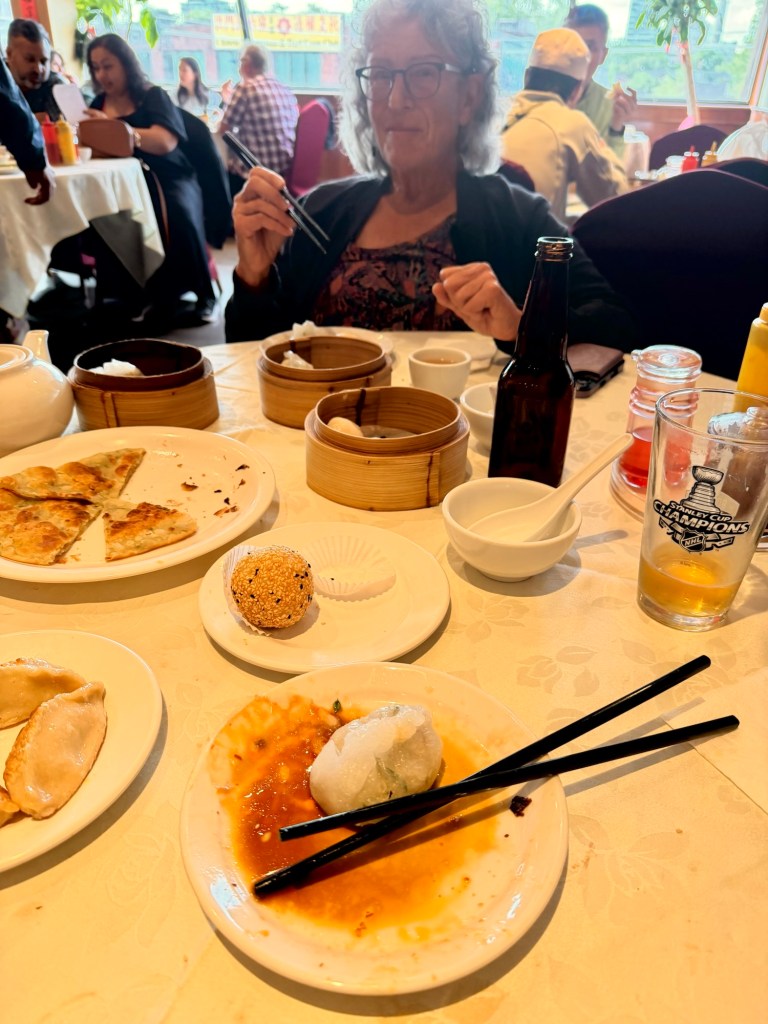
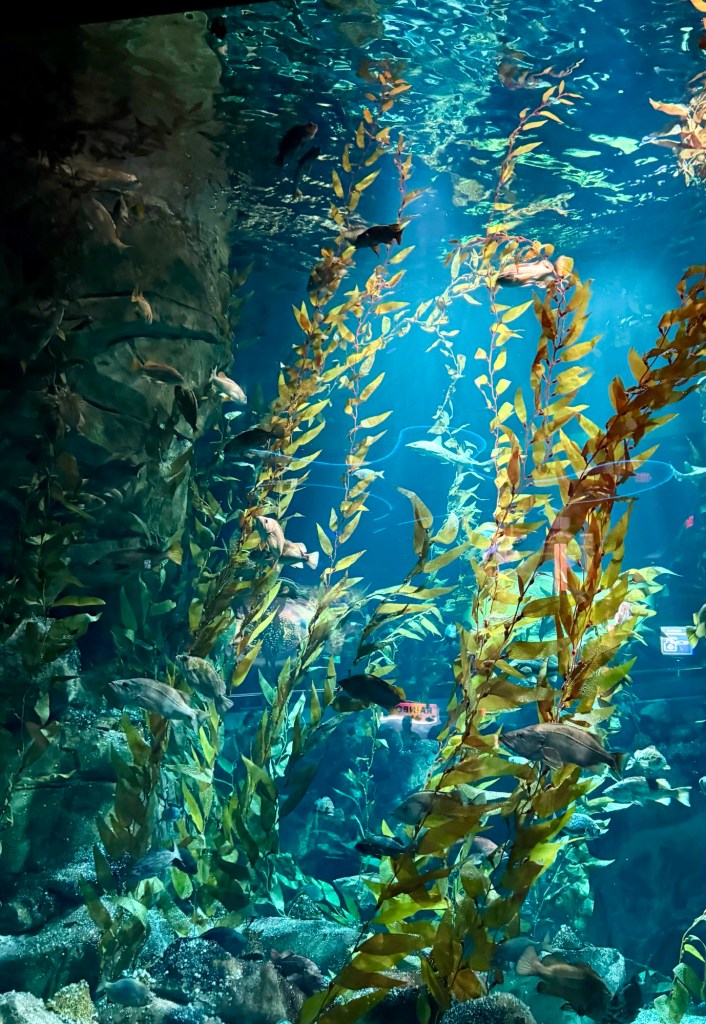
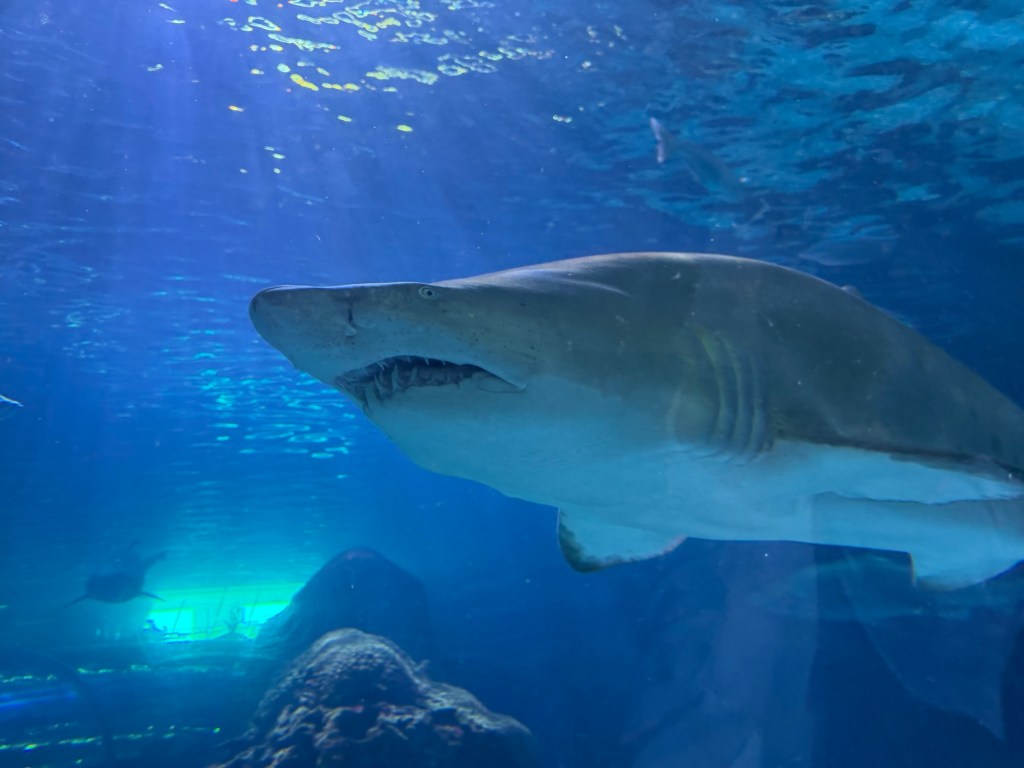
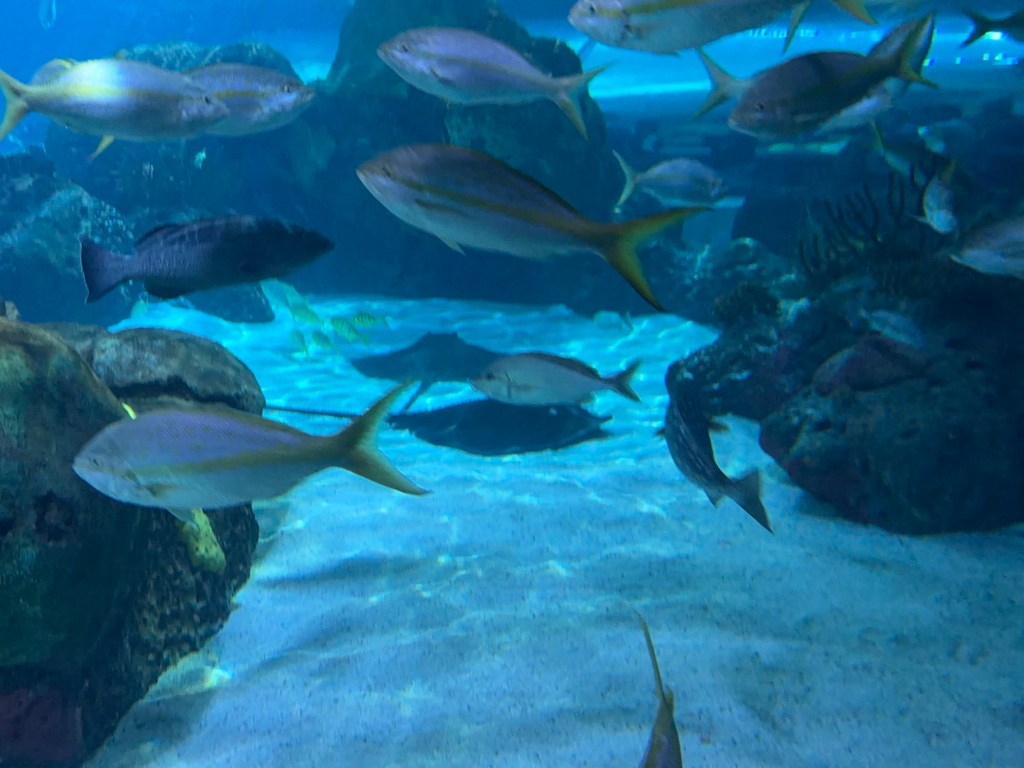
The Shedd Aquarium in Chicago did that for Marathon Weekend. Normally $35 entry, but Marathon Weekend $50, which is primarily why we did not go. No wonder “rich” people get along easier.

And we discovered in today’s world “they” sneak things into a bill. The Chicago hotel charged us $50 for a late checkout – which they conveniently did not mention, only noted later. Or a gratuity automatically added, or employee health benefit cost added separately. I never noted the cost of electricity or building maintenance on a bill.

I used to use the phone to find nearby places to eat, but it turned difficult as I would google places to eat near me and the closest would be a 1/2 mile away while we were standing in front of one. I learned to pay attention.

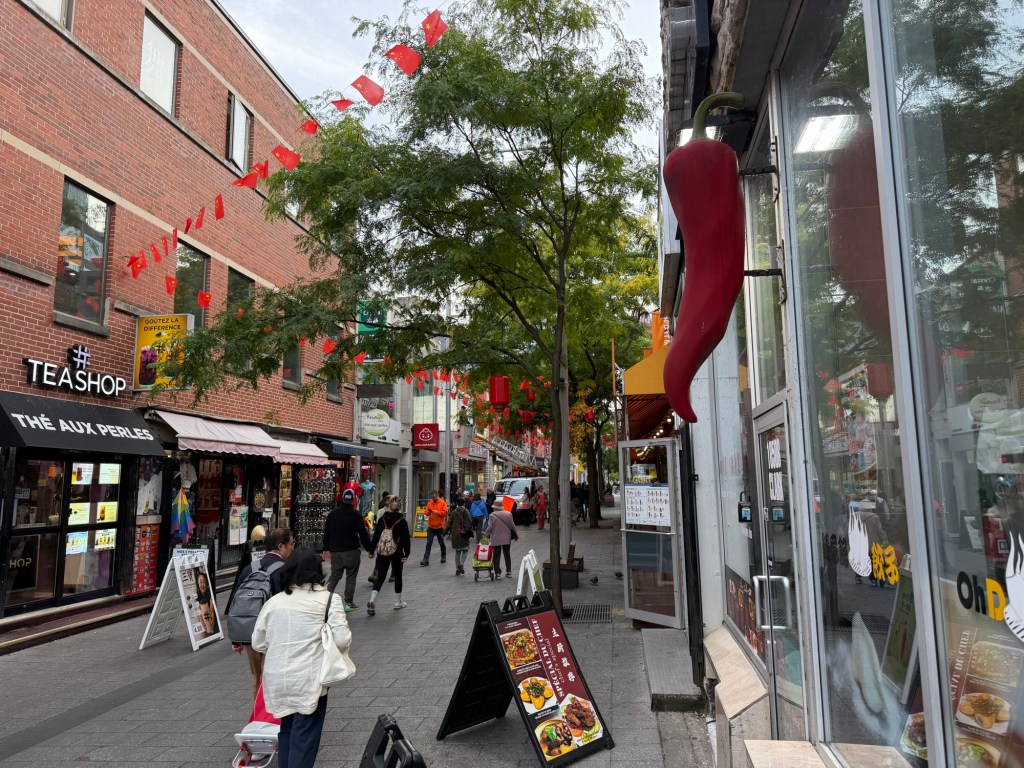
B: I learned what a large, incredibly diverse country we live in. The variety was awesome. That alone was one of the best parts. New York City, just walking the streets, was a lesson in diversity. Our guide for the 9/11 tour was 30 years old and did not know how to drive. She had never had a need. (She said our tips were going to pay for her driving lessons.) The food truck fellow from Egypt, the guide from Eritrea, the Jewish neighborhood in Baltimore. And the train, talking with various people, the Amish joining the train somewhere in the Midwest to go to a wedding, the musician traveling through the South to Houston, searching for a life beyond his past. The employees of the train, all from different backgrounds and hard-working, all. They do long hours and days with a smile.

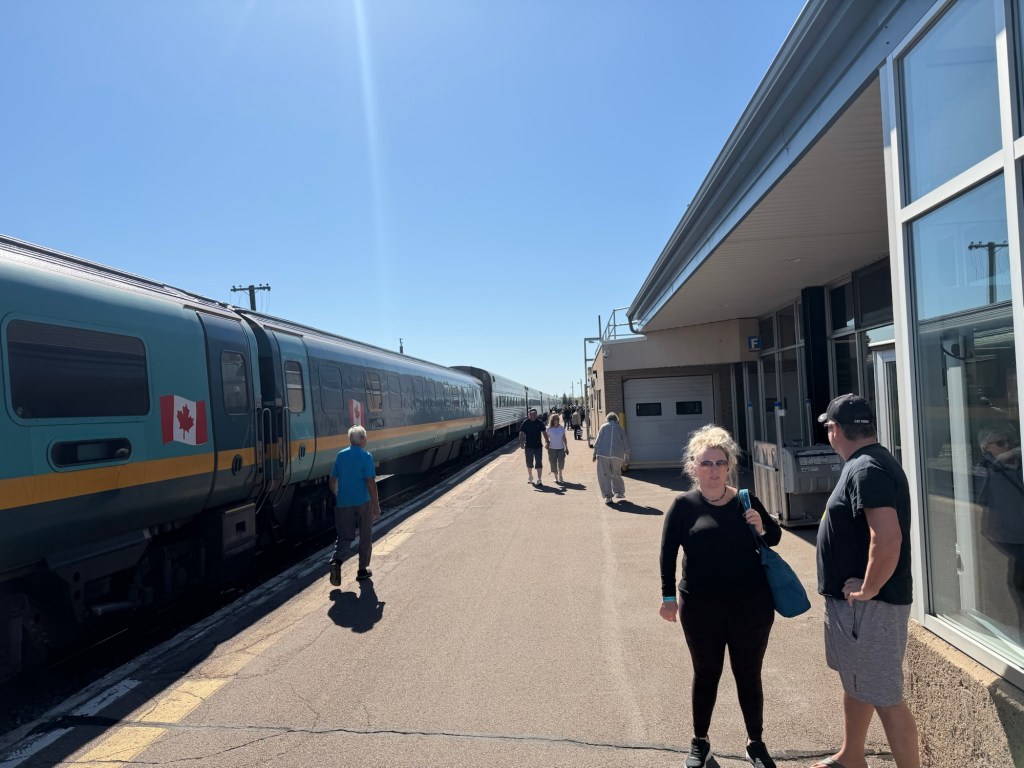
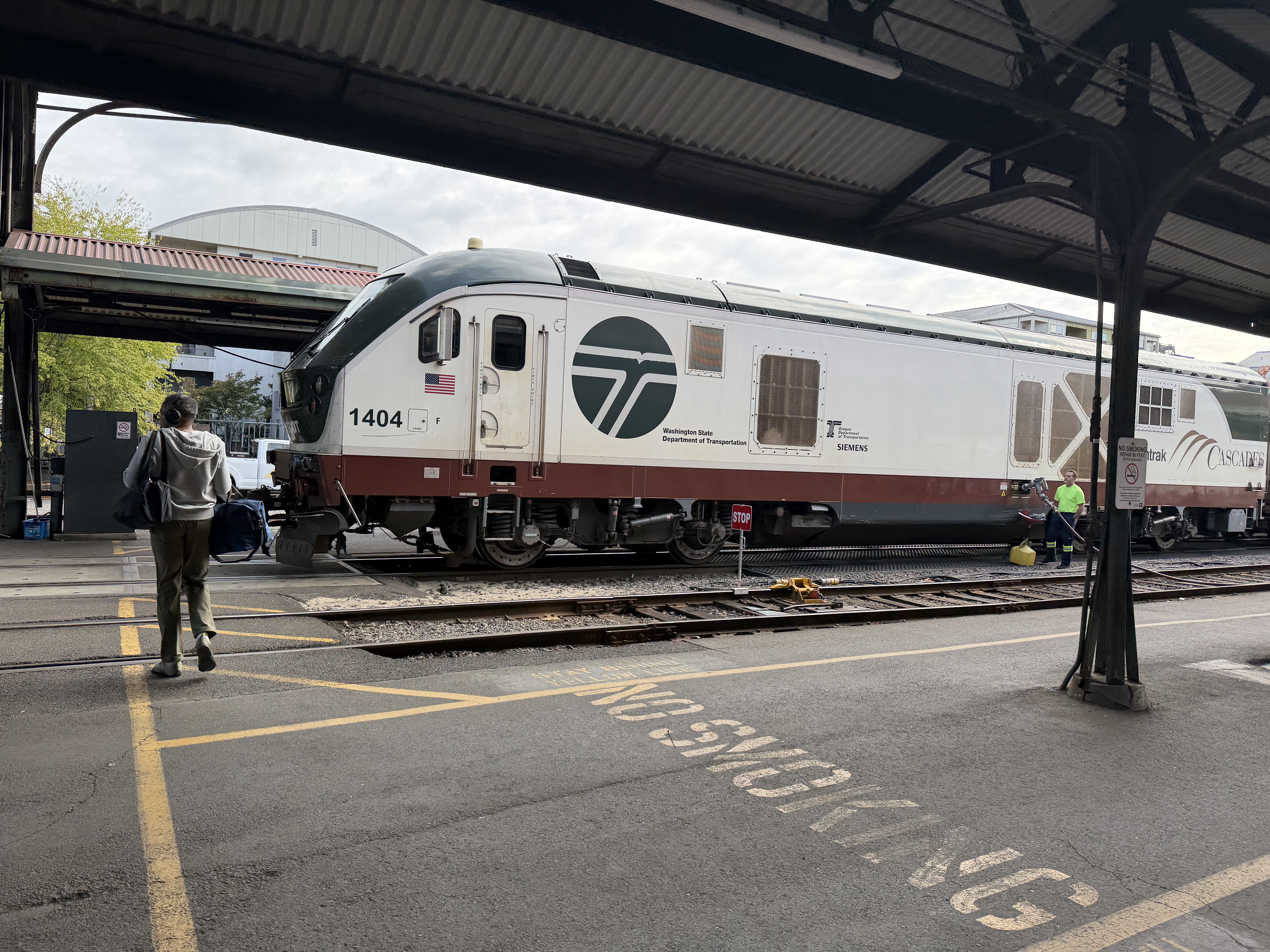
C: As noted earlier, trains seem to take the short shrift. In the United States, freight gets precedence over passengers, often causing us to sit at a siding waiting for a freight train.

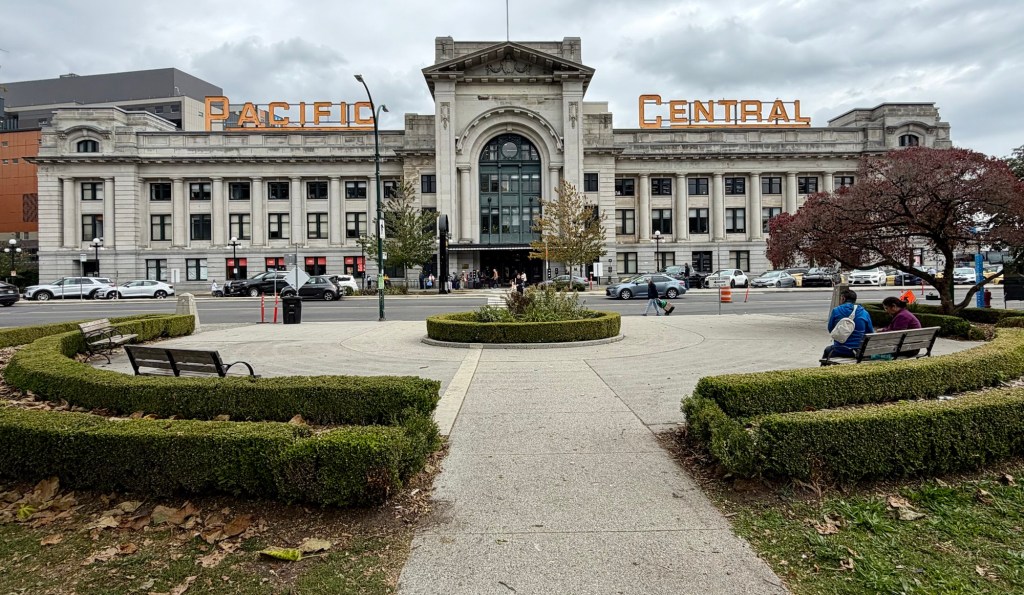
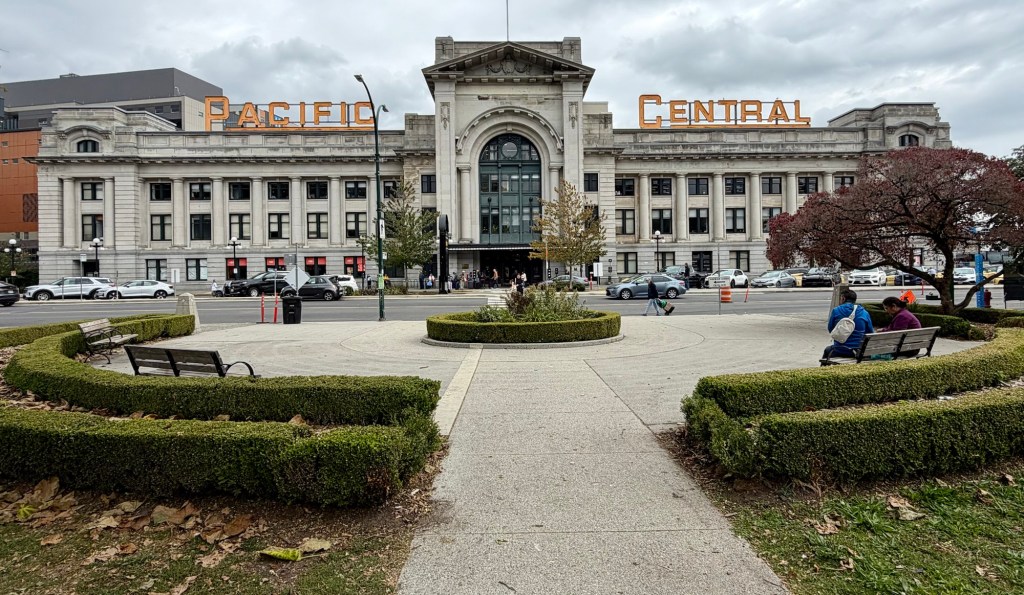
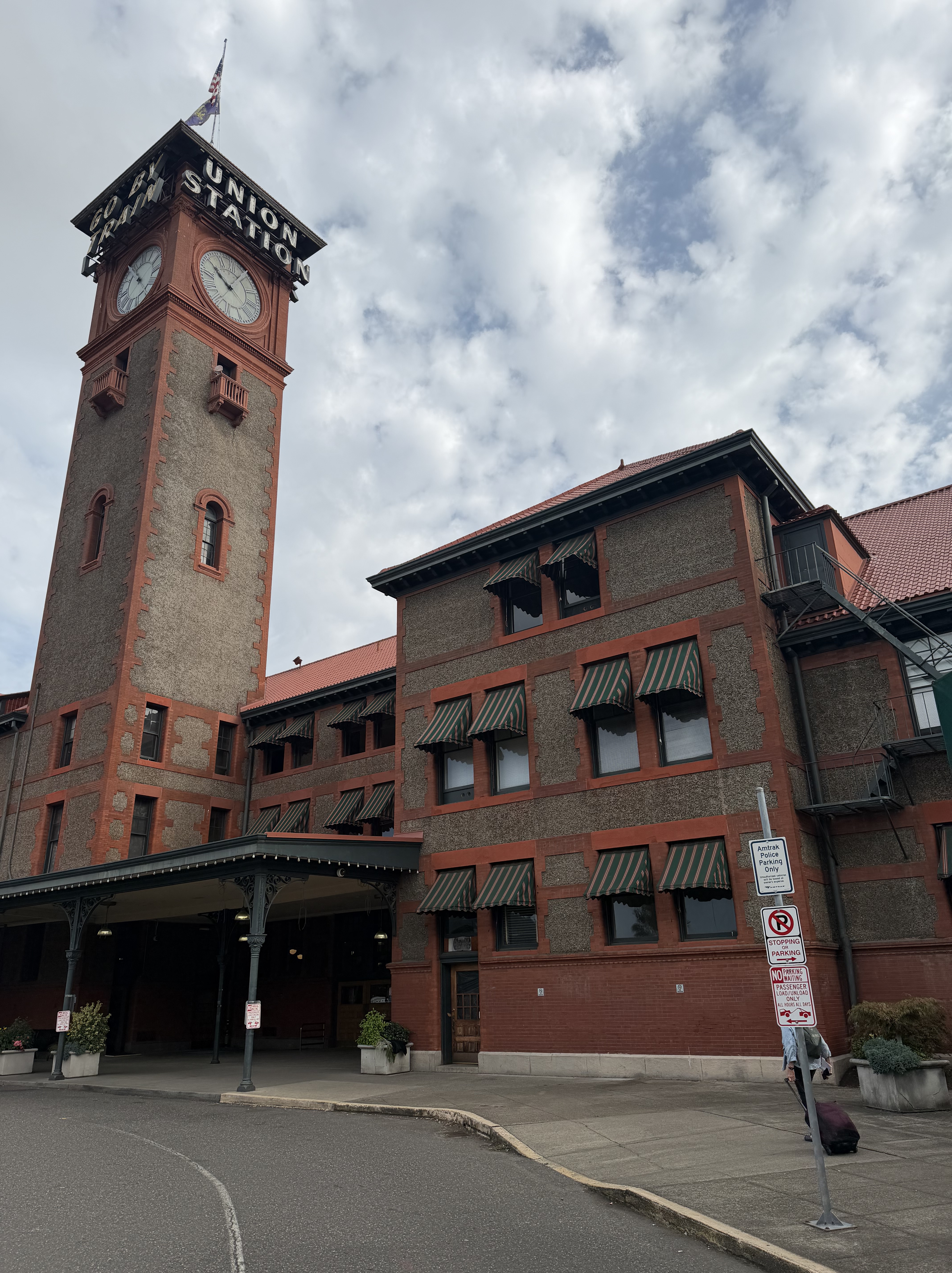
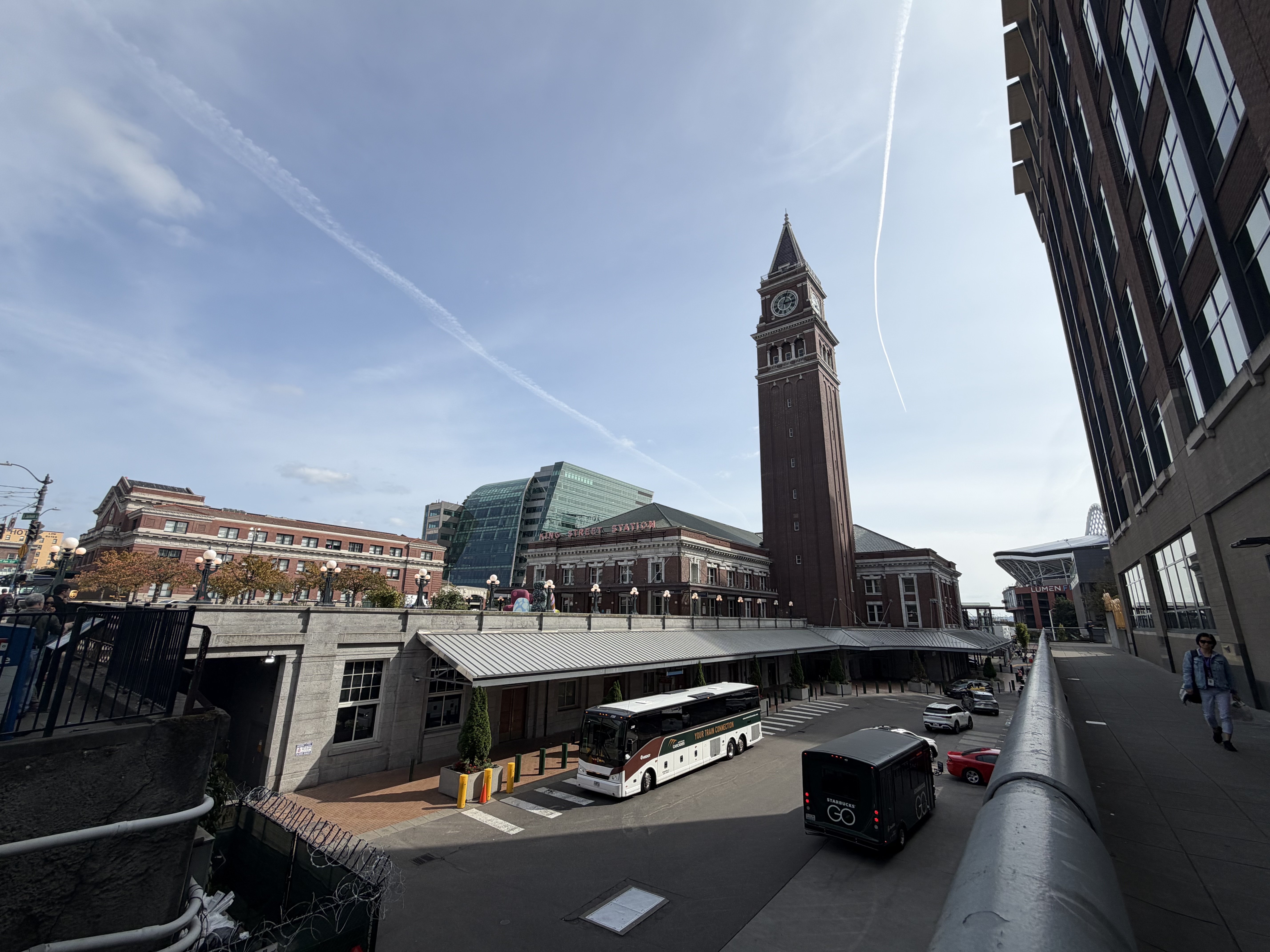
One could see this in the modern train stations. Houston and San Antonio had torn down their train stations and built bus terminals. Most of the elaborate train stations were relics of the past. Beautiful works of art, comfortable and functional.

3: Which was my favorite part?

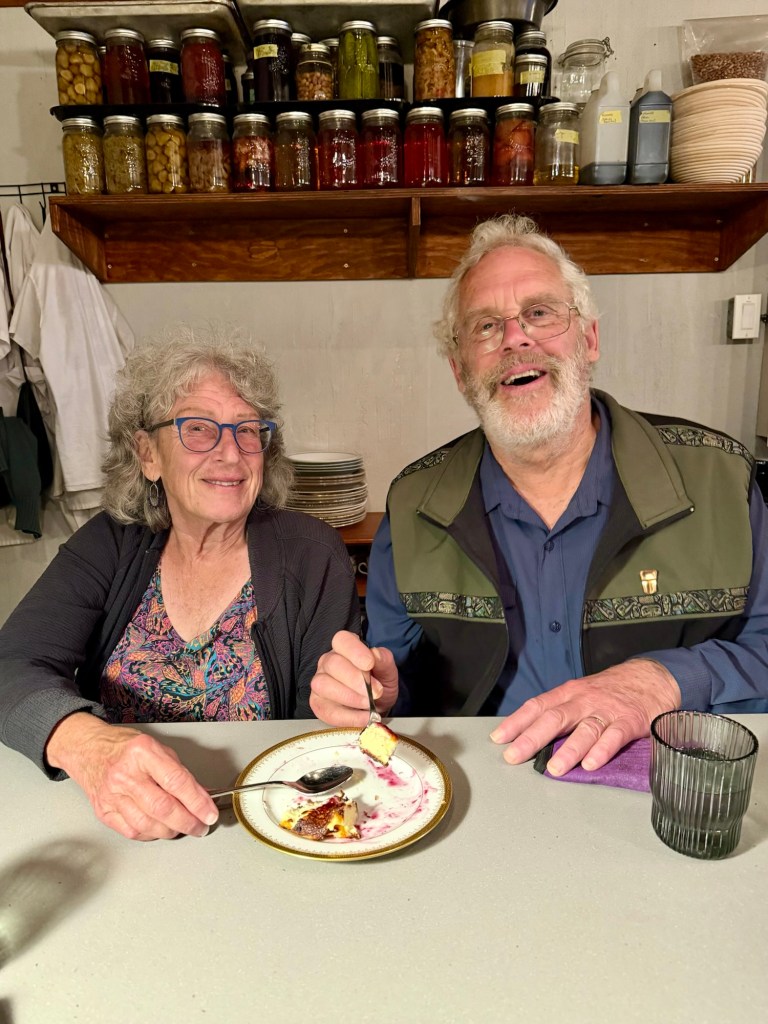
People can be amazing!

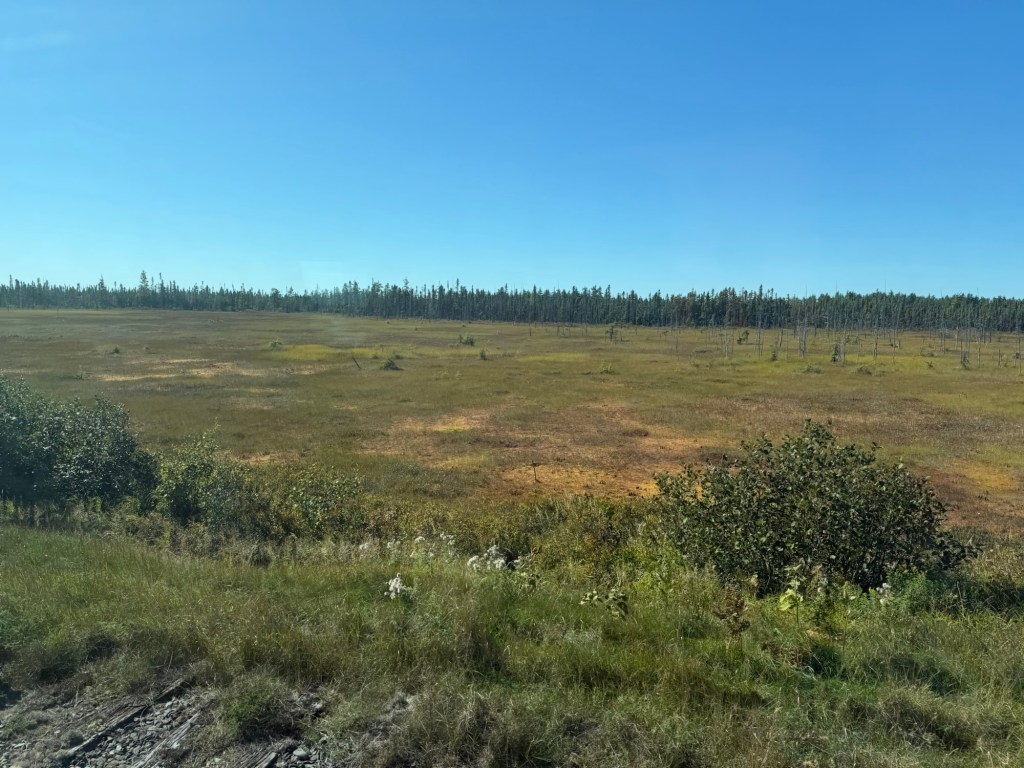
That is difficult, depending on which part I am thinking about currently. My favorite train, although to call it a favorite does major injustice to the other sections, would be the Coast Starlight up the California coast. But the Sunset Limited from Louisiana to Los Angeles ranks in there, with the bayous, then the deserts. The Empire Builder from Portland to Chicago was spectacular, going from the mountains, to plains, to forests. The trip along the Great Lakes, I suspect, is spectacular, as is the Crescent train along the Appalachians, but they were at night, hence I cannot say much about that.

East coast trains, east of Chicago to New Orleans, were dirtier and I would say less friendly, although I am not sure how to describe that.

All in all, I enjoyed the trip, but like many things, I am very glad I did it, but do not need to repeat it. I would definitely do sections though.

I am glad I have the ability to enjoy it.

And next – the Zephyr train from San Francisco to denver sounds amazing if during the day, or the City of New Orleans from Chicago to New Orleans. Options and ideas.

For now though I am excited for the next adventure which is to stay home and enjoy winter here. Bike season is here, ski season, and just enjoying the sanctuary of home.

And for those still awake I posted a video of our travels on youtube. Hopefully it can be found on the youtube website https://www.youtube.com/@JRPatee