Realism is a bad word
I see no line between the imaginary and the real”
Franco Fellini
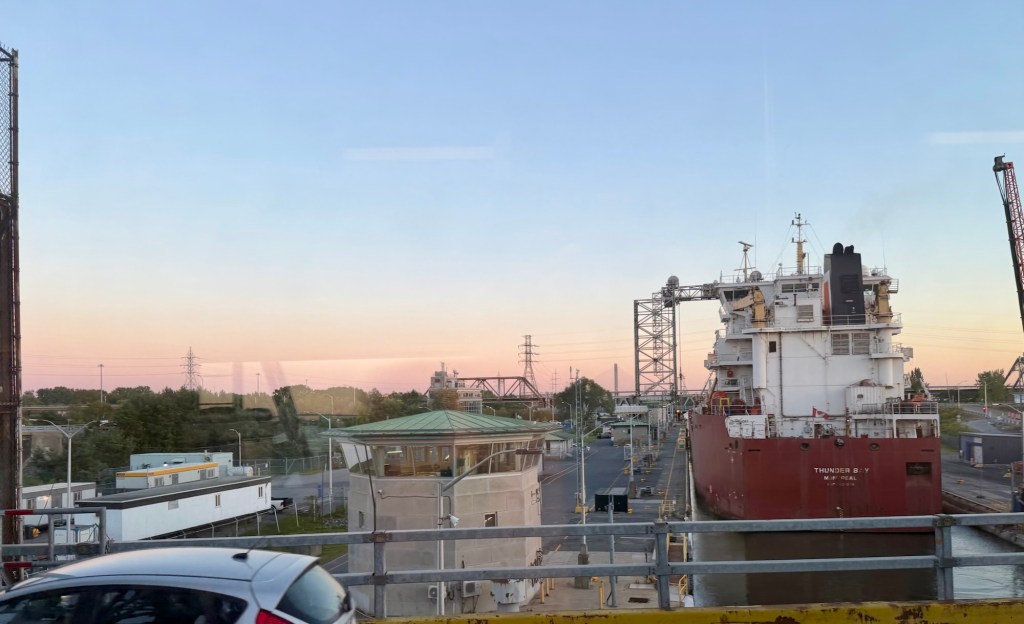
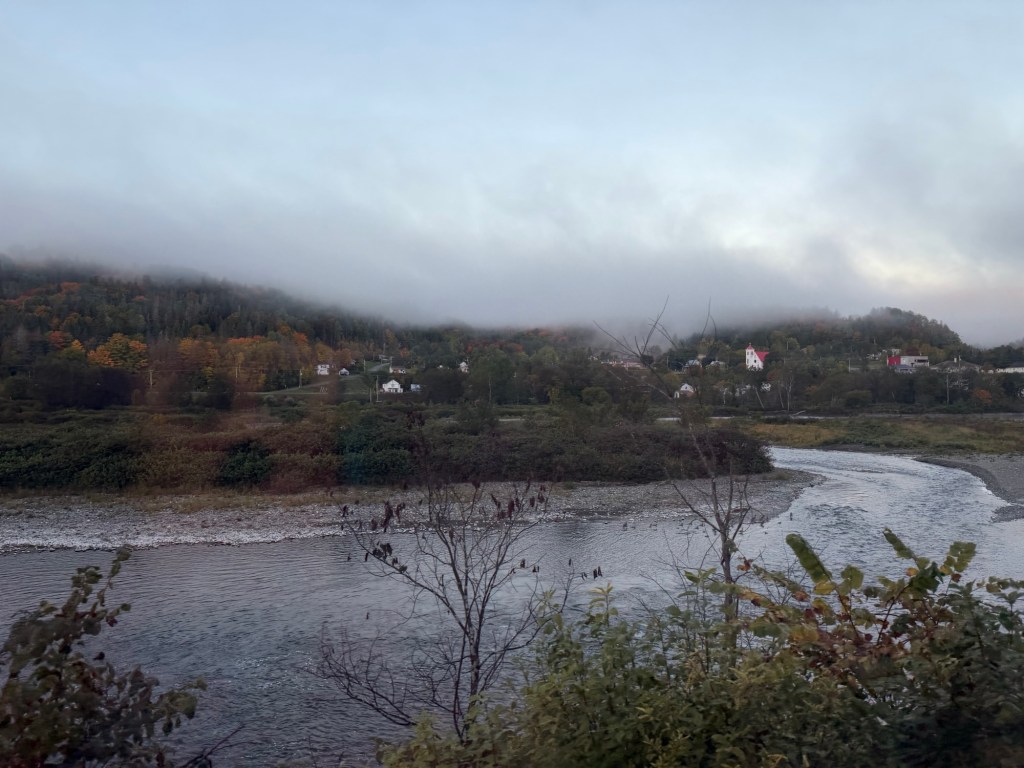
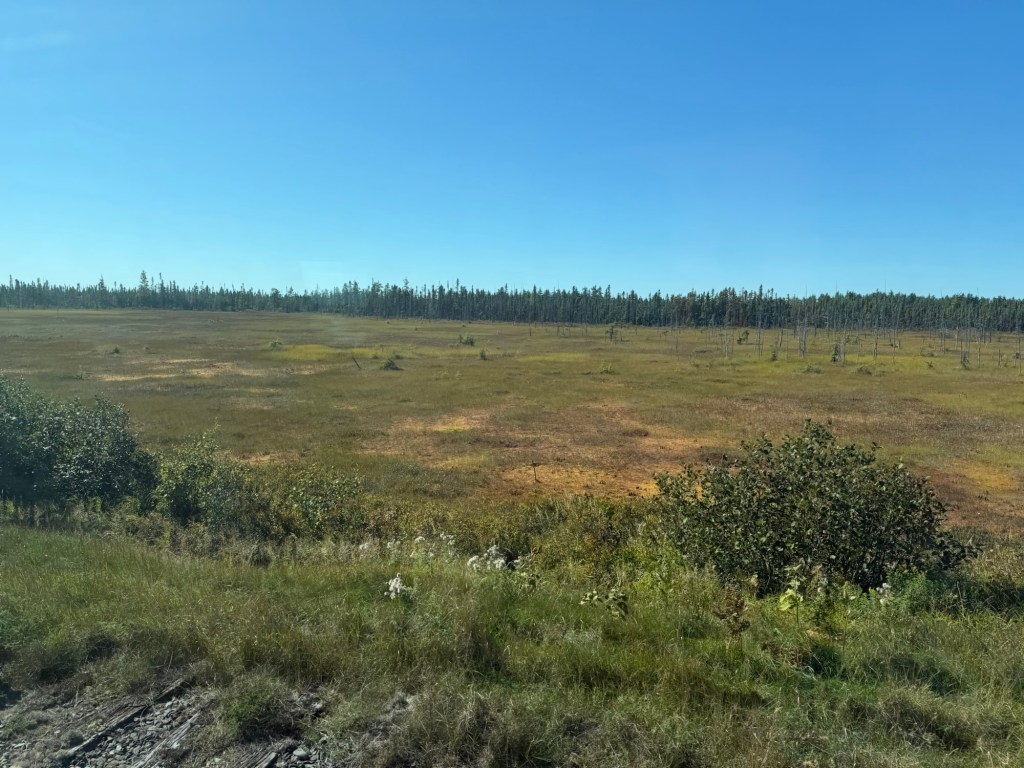
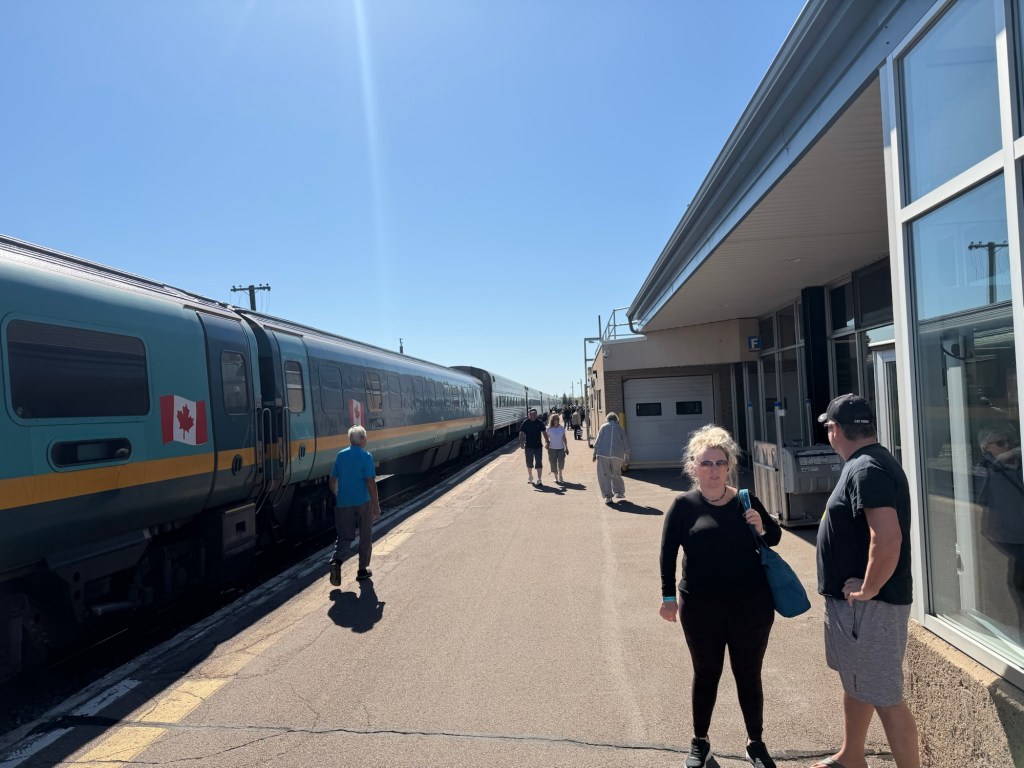
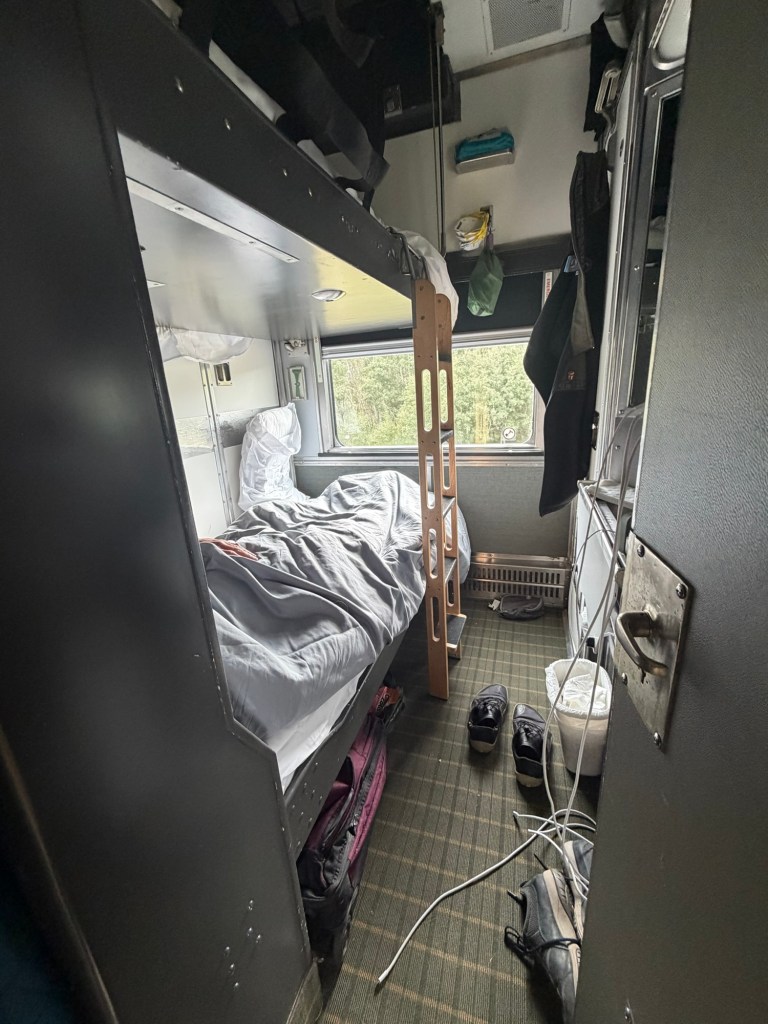
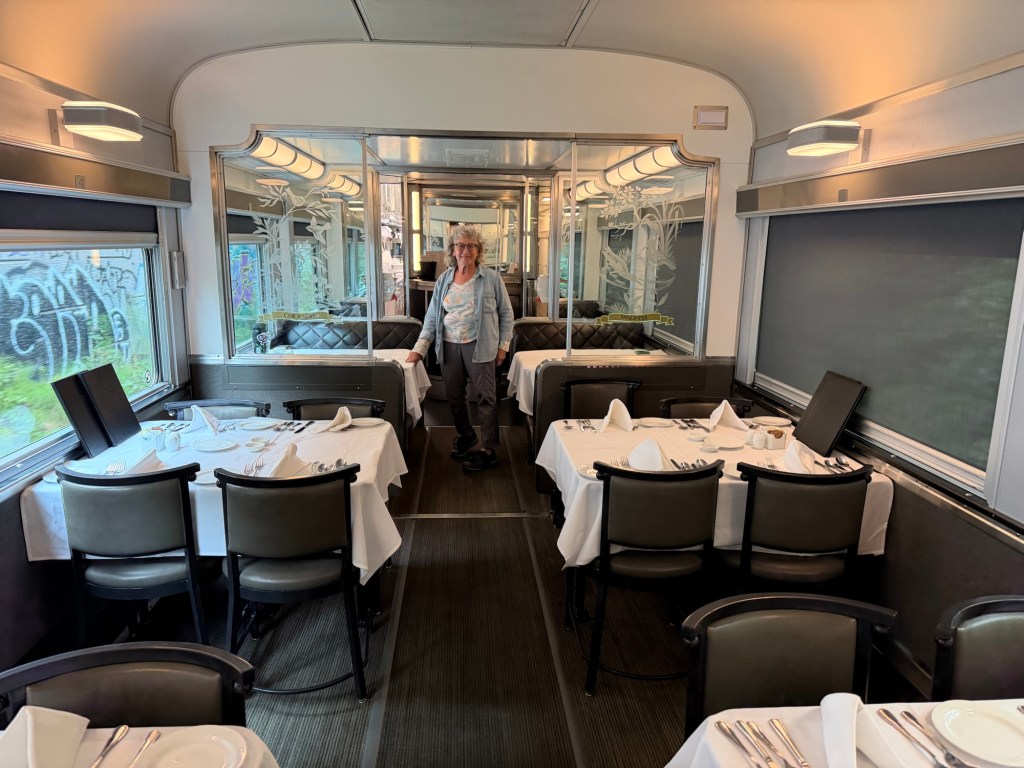
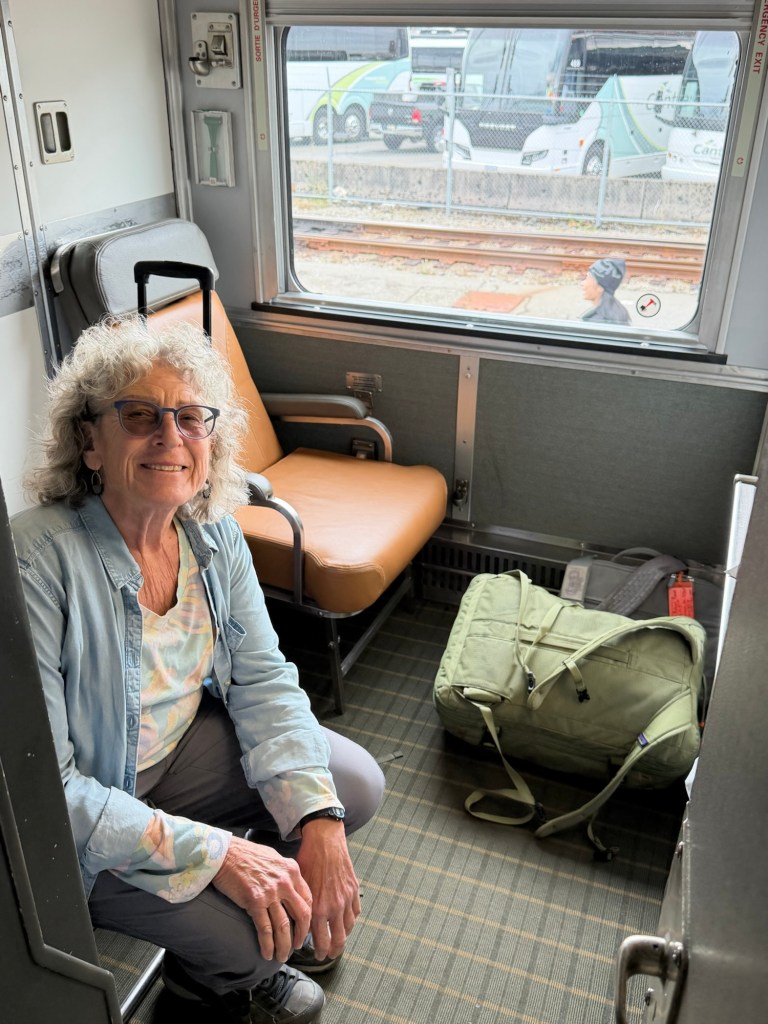
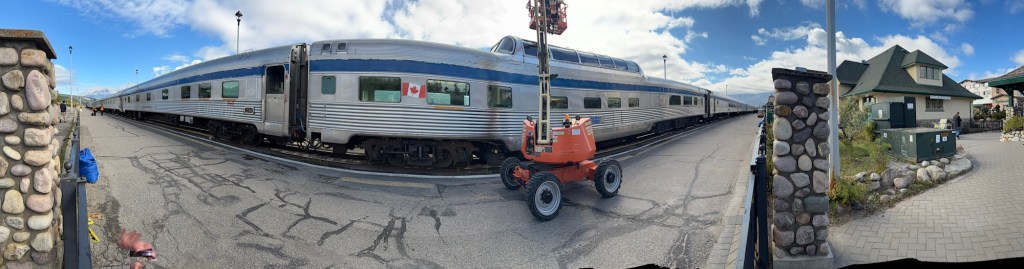
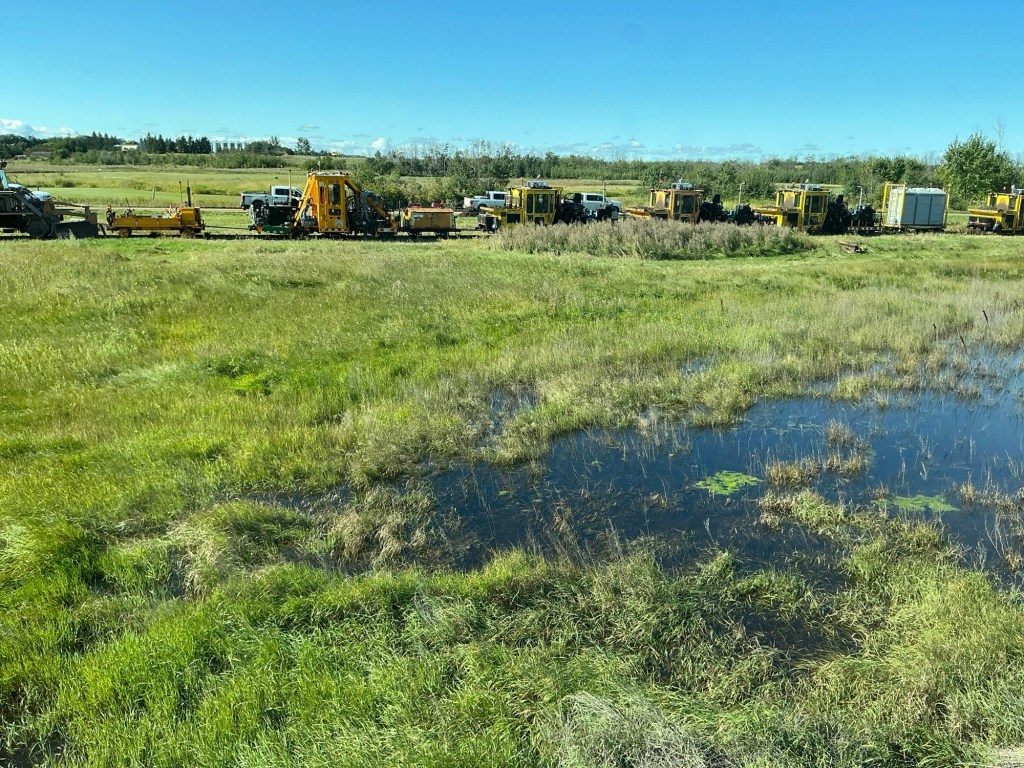
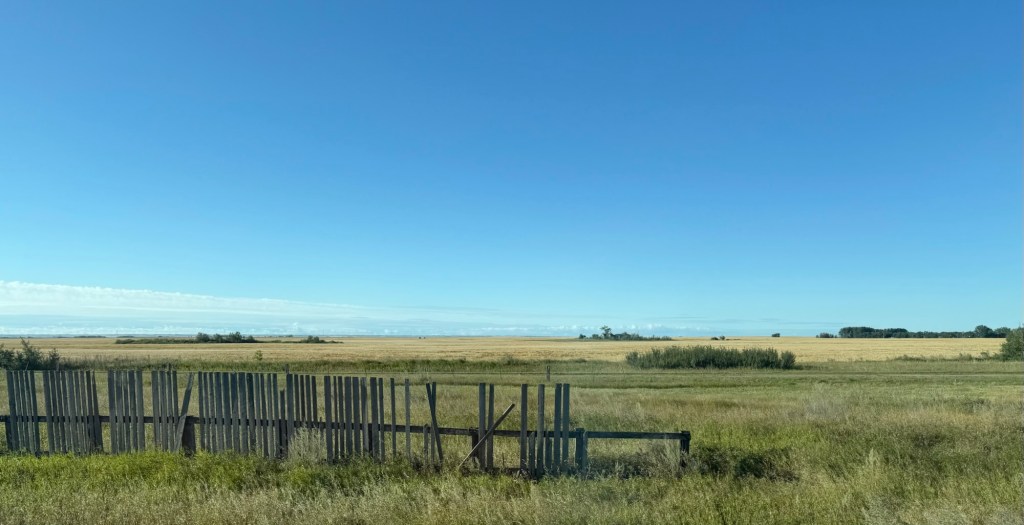
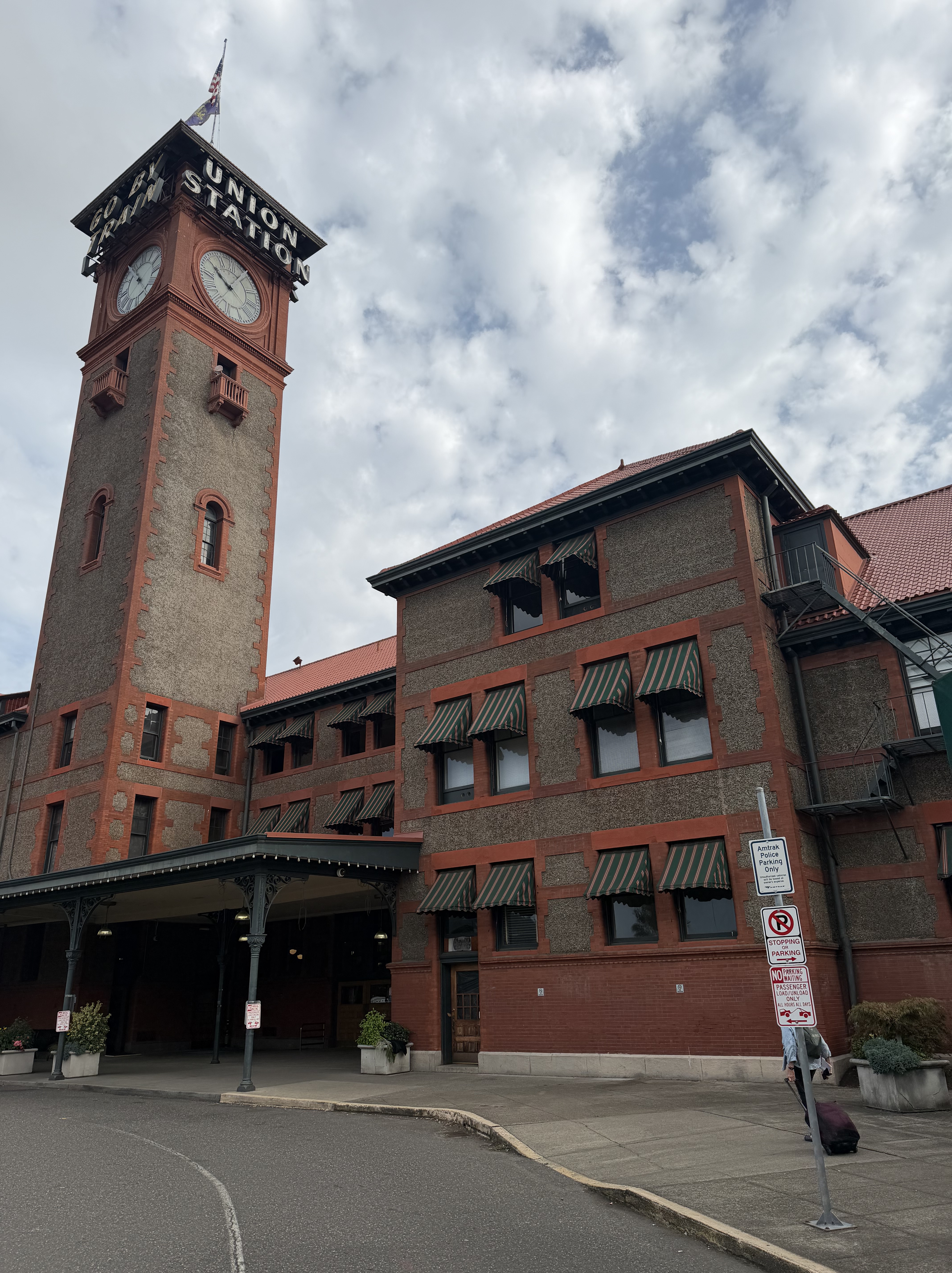
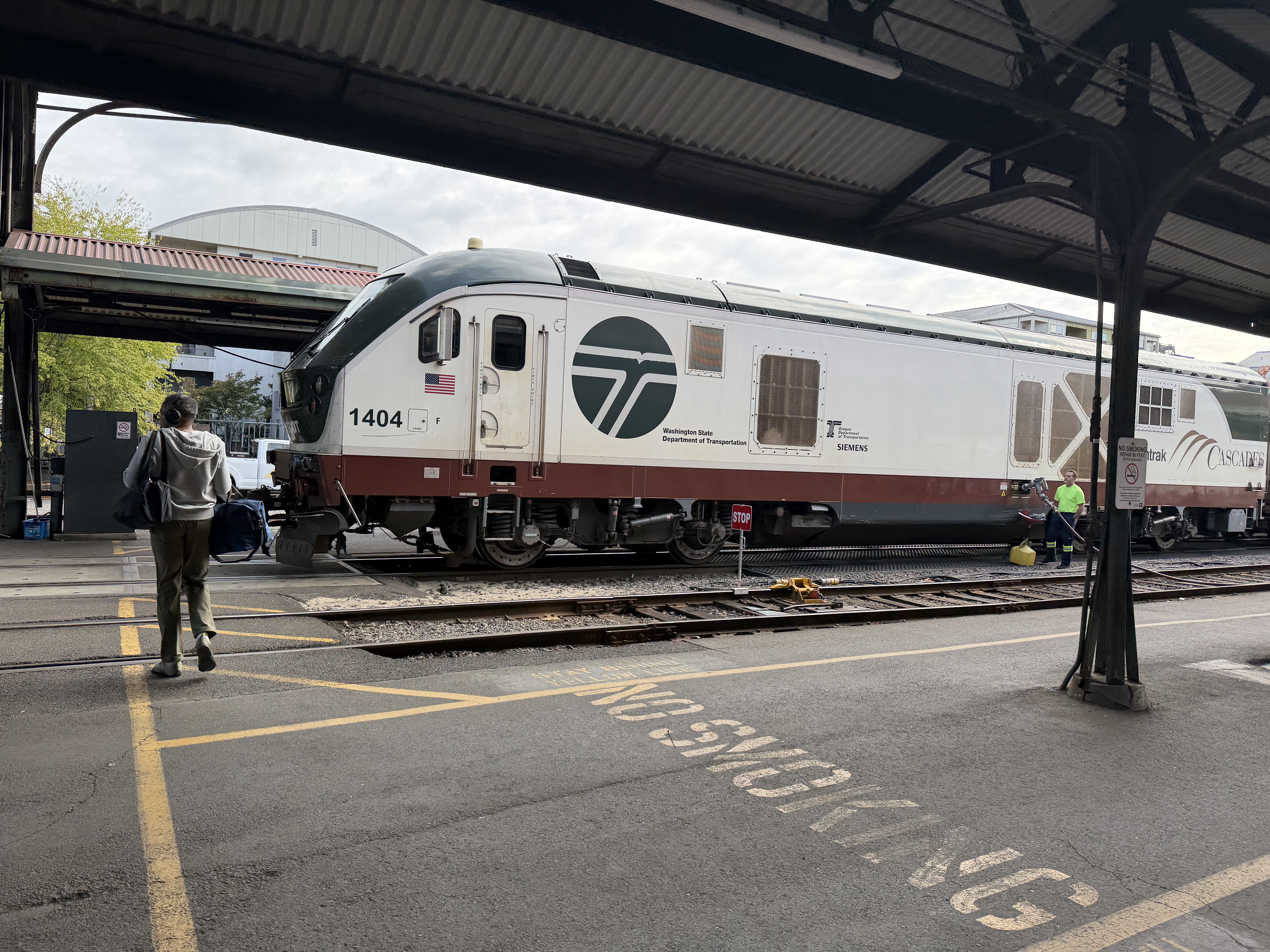
Again delightful, arriving a bit late into Halifax, but acceptable. Apparently when the Canadian railway was built across Canada, in approximately 1876, the journey took 6 days. Now it takes 8, due to freight traffic and such. But it is the journey not the speed that counts.
And again we have discovered some people think farther ahead than we do. All hotels were either booked or ridiculously expensive. Finally found one 15 kilometers out of town, and figured just Lyft ride. Seems we had been misled with information that this was the quiet time of year. Apparently busier than ever. Thoughts are crowds are due to geopolitical tensions, Canadians are not traveling into the United States and traveling in their own country more, and the same for European traveler’s who are spending more time in Canada. One hotel owner told us she has been saying “only two more weeks, until it is quiet,” For six weeks now, and it is continuing, as she said busy until at least thanksgiving.
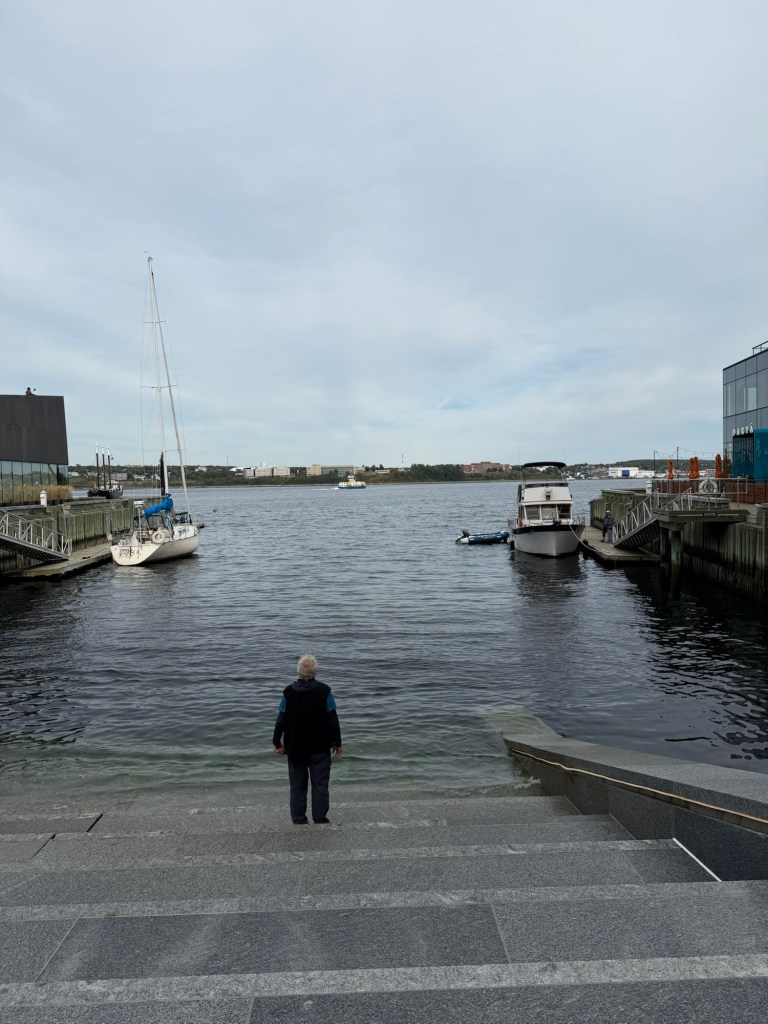
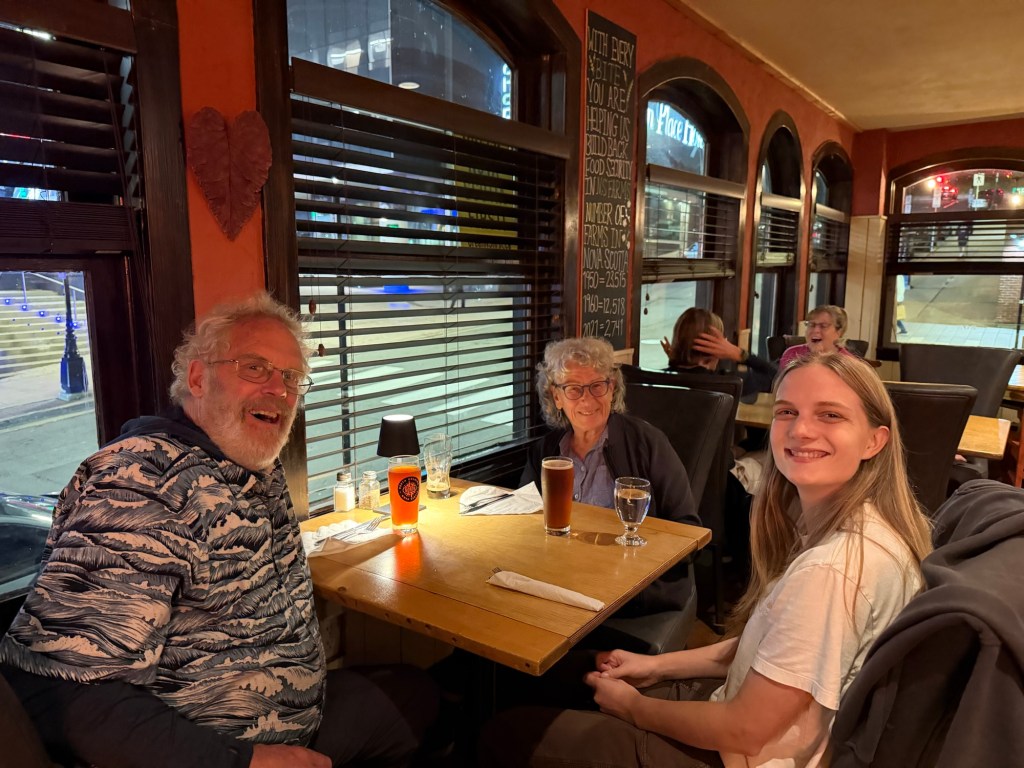
Met with daughter of the friends we saw in Vancouver, who has started college here in Halifax. Turns out Halifax is much larger than we thought, with a population of about 550,000. There are 5-6 universities here and the city is growing. But as noted it is the only port on the eastern seaboard of Canada. Some of the difficulties with hotel rooms are the numbers of construction workers.
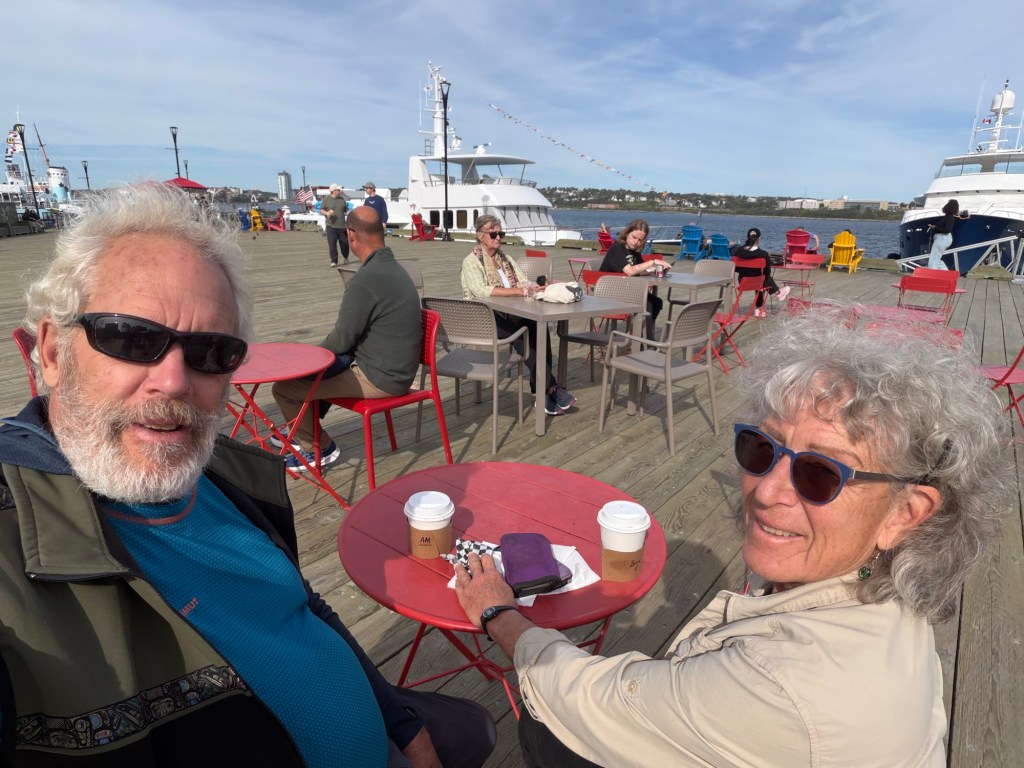
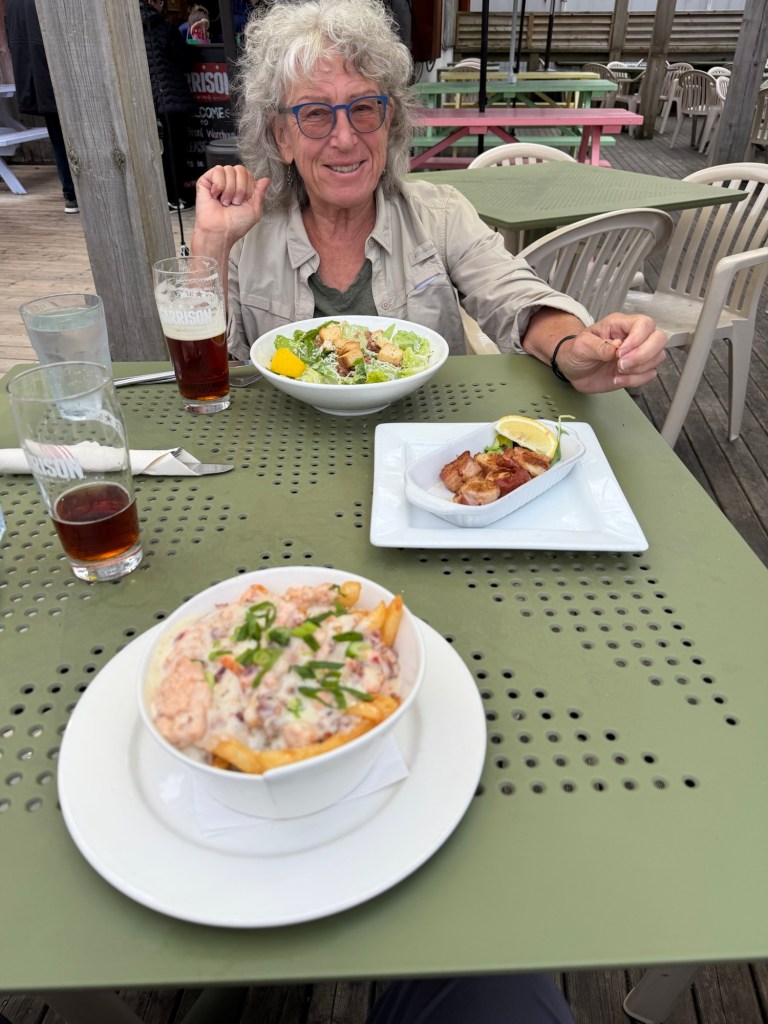
Lyft rides turn out to, be cheap transport, cheaper than at home. Had to Lyft to hotel then again to airport to get rental car. Airport is some 25 kilometers from town and still only about $20.
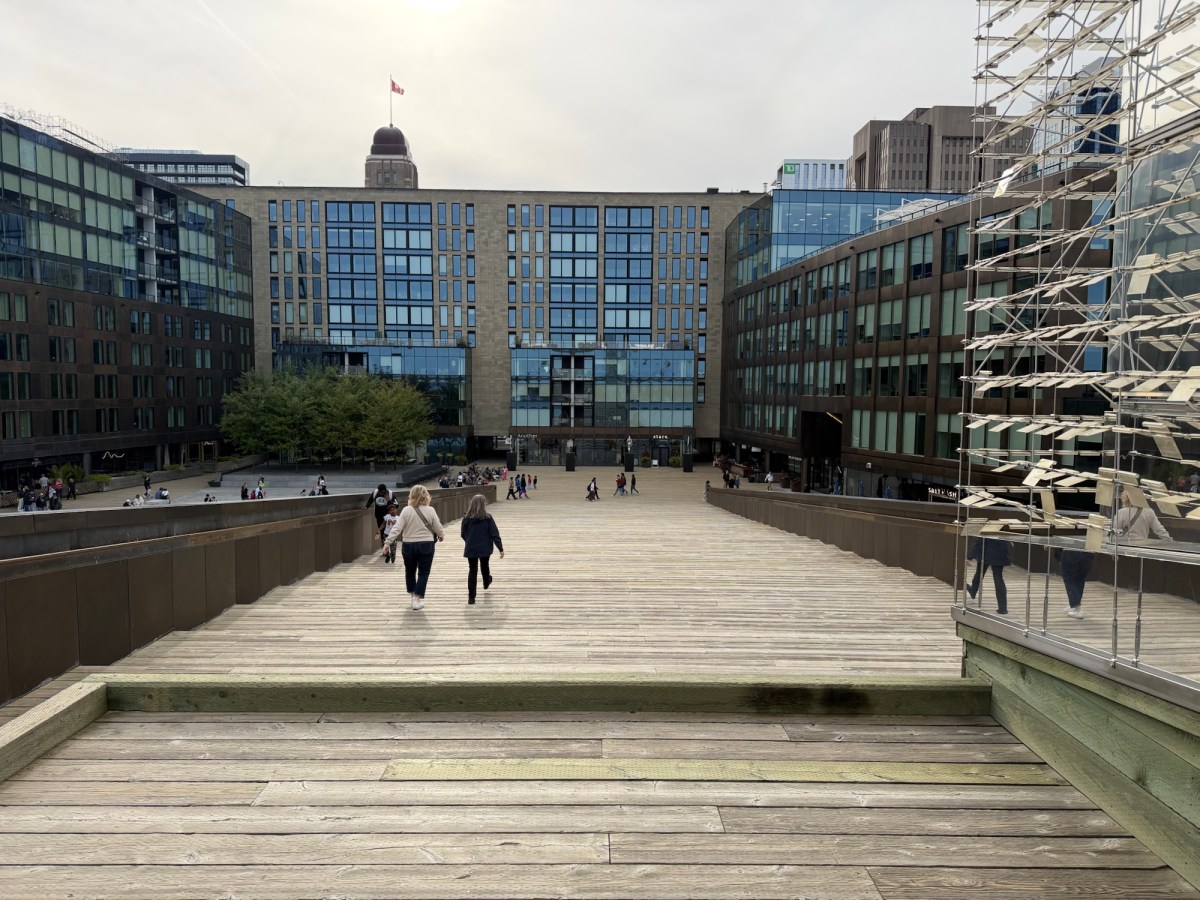
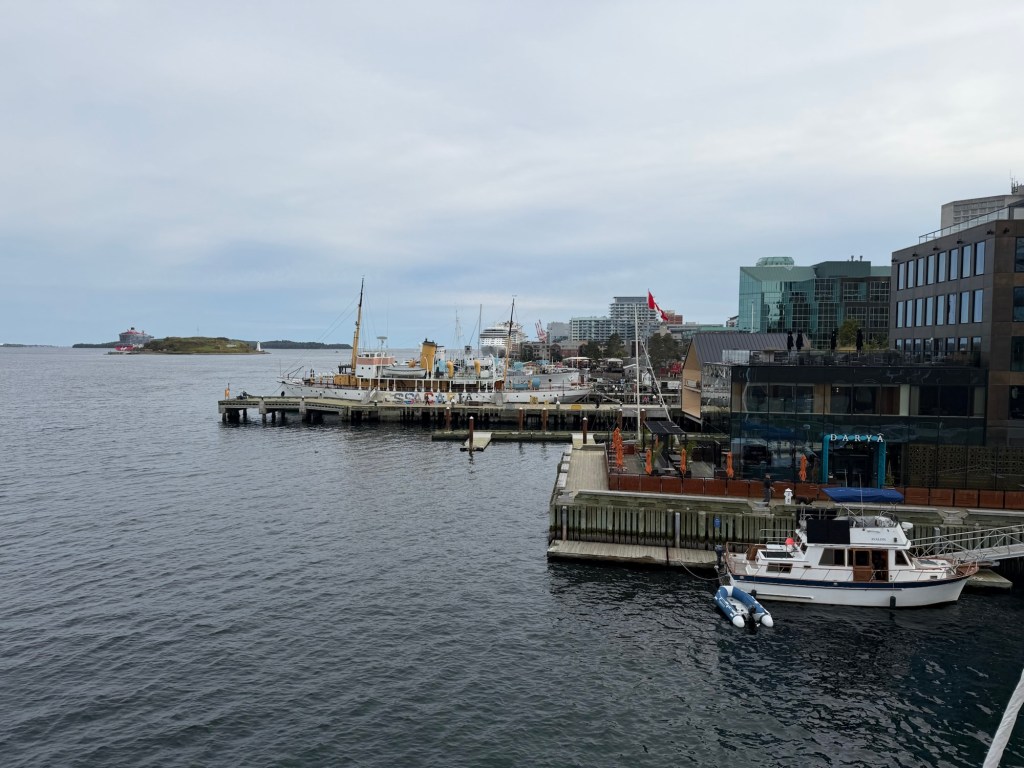
Then off to find some friends from Alaska, who have been touring about in their van, they were leaving it at a storage facility for the winter to return next summer, and we gave them a ride back to airport. Then an afternoon of walking downtown Halifax. Halifax has a wonderful boardwalk along the water front and we cruised there.
The maritime museum was great with primary exhibits on the explosion of 1917 which destroyed downtown Halifax and killed over 2000 people. The largest explosion ever created by humans, until a larger one was done in 1945. Here in 1917 two ships collided, one heavily loaded with explosives for the war effort.
Then the Titanic exhibit, bringing up the modern social dilemmas of technology, class, and religion. The survivors were taken to New York City as too much ice to navigate easily to Halifax, where the deceased were taken, and numerous were buried here.
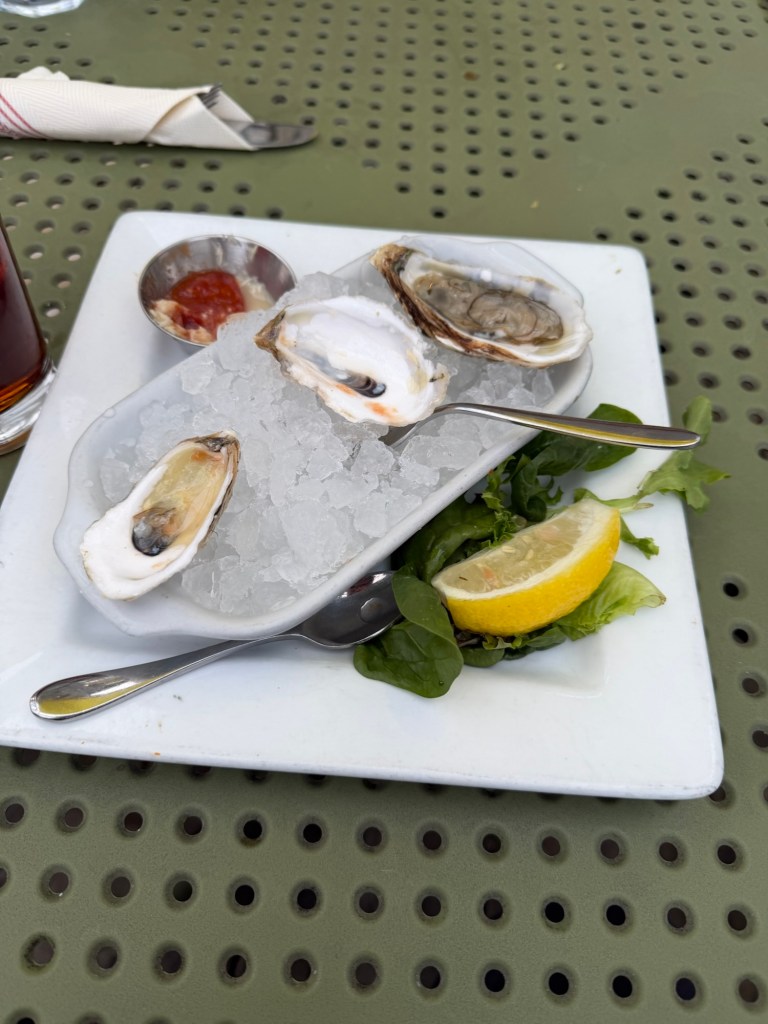
Walked about perusing several potential restaurants, not finding anything overly enticing, finally returning to the harbor boardwalk and an oyster bar, which turned out to be great choice.
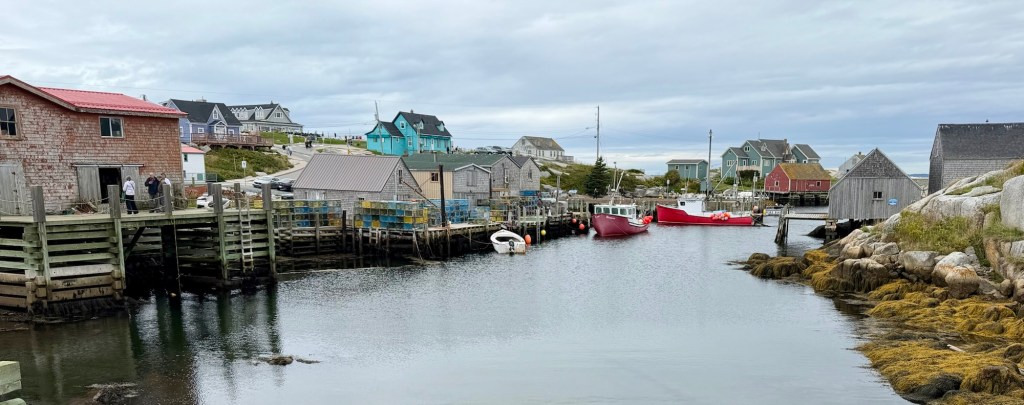
Then on to discover Nova Scotia, with first stop the most popular tourist site – Peggy’s cove, a tiny cove amongst the rocks of ocean shore. Seemed a last ditch place to me with room for maybe 6 boats. But a tiny community has been built around the area and it is quite scenic. They are not afraid of color. The two parking lots, quite full each were probably 5 times the size of the cove.
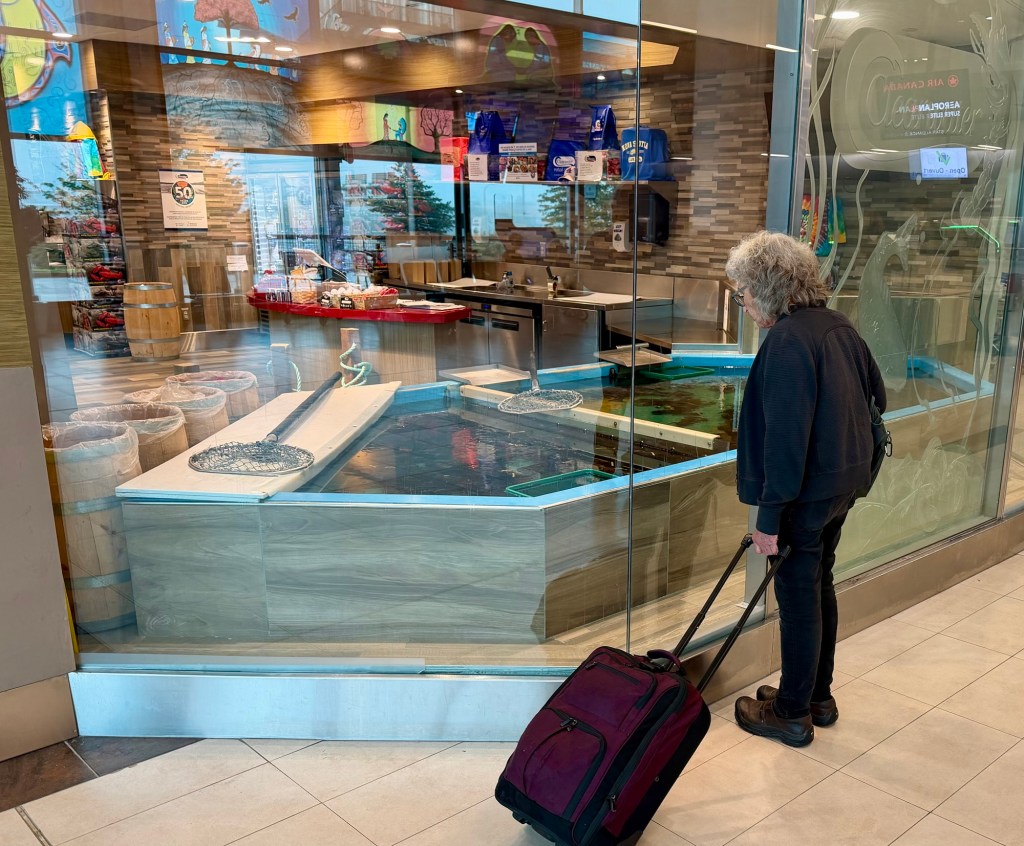
Onward to Lunenburg, an old ship building port. Interesting town very much a tourist town, but not overwhelming. One easily picks up the sense of this is a Coastal town with a rich history, and the vibe is definitely ocean, whether one works on the ocean or just lives near it. We again went to the maritime museum which showed a lot of various boats transporting ocean goods, or fishing. The lobster demonstration and displays were very informative, learning different fishing techniques than I knew of before.
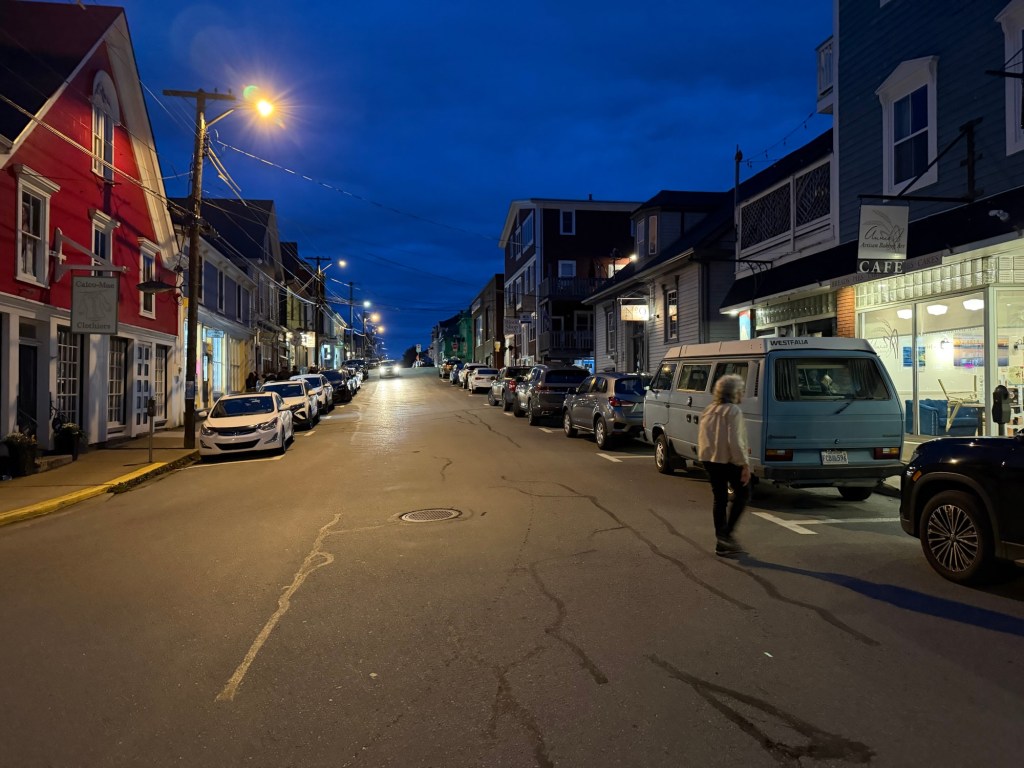
And the Lunenburg film festival going on. Decided instead of cruising on just driving, we would stay extra day here and a good decision, not only for museum but films, and great seafood restaurants.
Watched documentary film shorts, one of which stood out. A fellow went to Canada Supreme Court saying he did not have to have a mowed lawn in front of his house, as the lawn monoculture was killing off insects and plant variety. He won. The other was a feature film entitled “run terry run” about Terry Fox, a teenager who loved running but at age 18 developed cancer in his knee requiring amputation. After some recovery time he set off to run across Canada raising money for cancer, at age 21, running the equivalent of a marathon a day. He hoped to raise one million dollars, but when he died of lung cancer 4 months after he started, 24 million had been raised, and the current amount raised in terry fox foundation is a billion dollars. A legend in Canada and an inspiration.
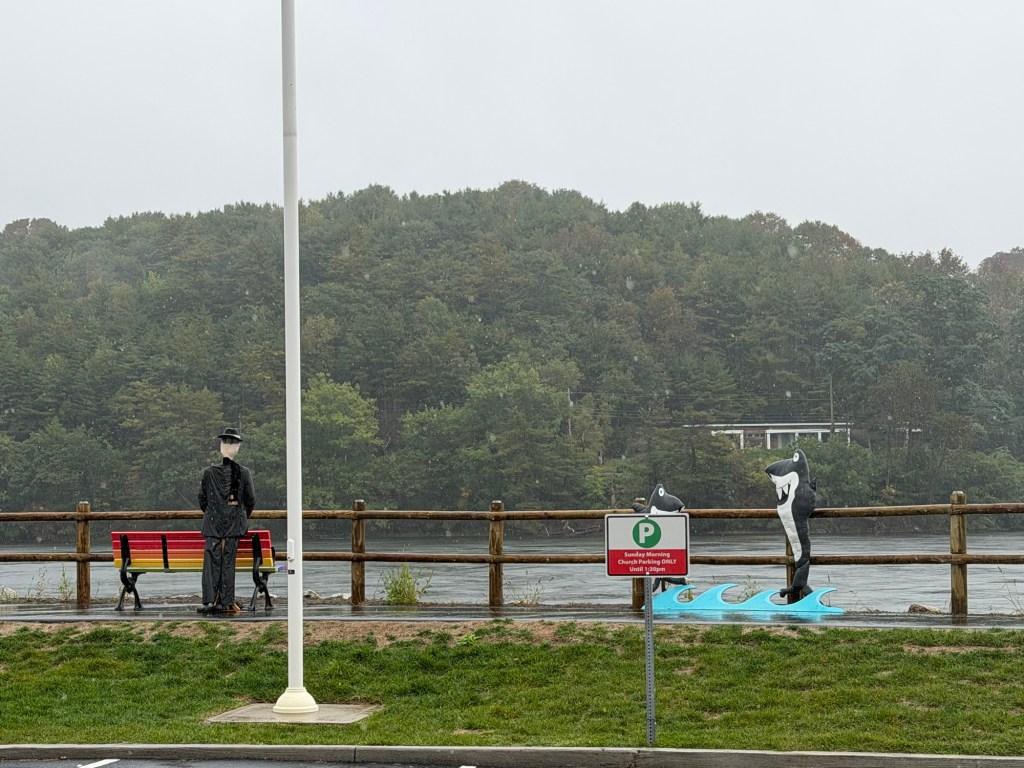
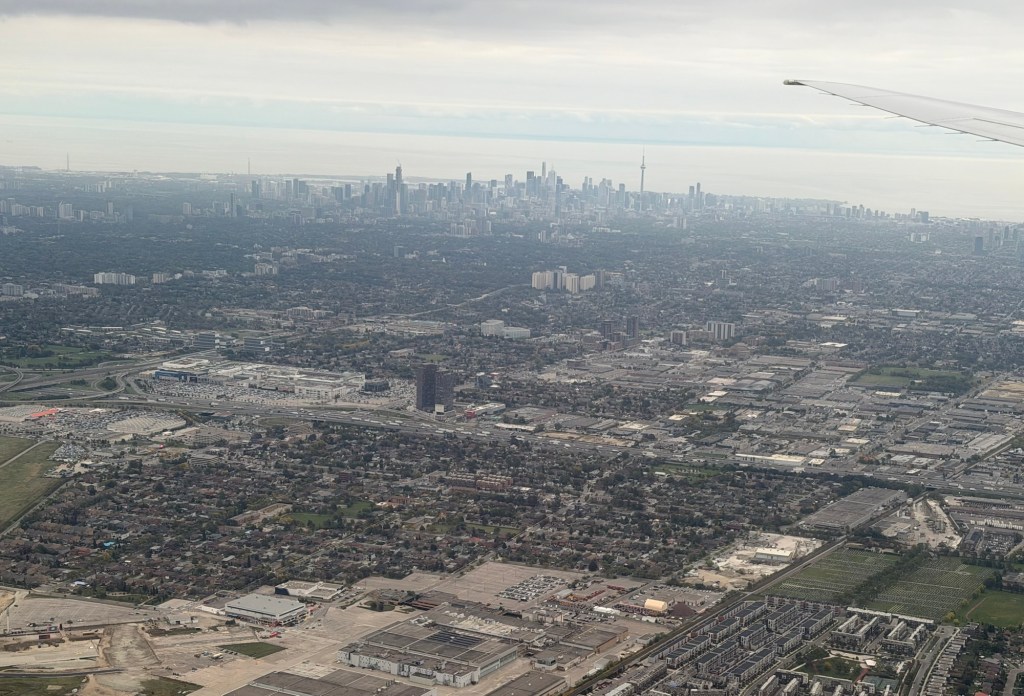
And so sitting on this plane transporting us back across Canada, and on to alaska.